Quotessence
Home / Quotes / Quote by Angela Carter

Quote by Angela Carter

Work

Nights at the circus

This book is a fictional narrative that takes place within the vibrant and mysterious world of a traveling circus. It delves into the lives of performers, both human and animal, and examines the complexities of their existence through the lens of magic and illusion. The story explores themes of identity, love, and the search for belonging, all set against the backdrop of a circus that is both a stage for wonder and a microcosm of society. more
Author

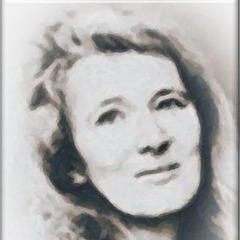
Angela Carter
Angela Carter

Angela Carter was an English novelist, short story writer, and literary critic. She is recognized for her imaginative and surreal narratives, frequently incorporating elements of fantasy, folklore, and Gothic literature. Carter's writing is celebrated for its intricate prose and exploration of themes like gender, class, and identity. more

You May Also Like

“I accept this award today with an abiding faith in America and an audacious faith in the future of mankind. I refuse to accept despair as the final response to the ambiguities of history. I refuse to accept the idea that the "isness" of man's present nature makes him morally incapable of reaching up for the eternal "oughtness" that forever confronts him. I refuse to accept the idea that man is mere flotsom and jetsom in the river of life, unable to influence the unfolding events which surround him. I refuse to accept the view that mankind is so tragically bound to the starless midnight of racism and war that the bright daybreak of peace and brotherhood can never become a reality.”

“What they have is science, and in science only that which is subject to the senses. The spiritual world, on the other hand, the loftier half of the man's being, is rejected altogether, cast out with a certain triumph, hatred even. The world has proclaimed freedom of theirs: nothing but servitude and suicide! For the world says: 'You have needs, so satisfy them, for you have the same rights as the wealthiest and most highly placed of men. Do not be afraid to satisfy them, but even multiply them' -- that is the present-day teaching of the world. In that, too, they see freedom. And what is the result of this right to the multiplication of needs? Among the rich solitariness and spiritual suicide, and among the poor -- envy and murder, for while they have been given rights, they have not yet been afforded the means with which to satisfy their needs.”