“In the era of colorblindness, it is no longer socially permissible to use race, explicitly, as a justification for discrimination, exclusion, and social contempt. So we don’t. Rather than rely on race, we use our criminal justice system to label people of color 'criminals' and then engage in all the practices we supposedly left behind.”
Quote by Michelle Alexander
Work
The New Jim Crow: Mass Incarceration in the Age of Colorblindness
This book critically examines the impact of mass incarceration on African Americans, arguing that it constitutes a new form of racial segregation and discrimination in the United States. more
Author
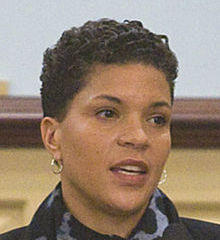
Michelle Alexander
Michelle Alexander is a distinguished professor of law at the University of California, Berkeley. Born on October 7, 1967, she is recognized for her expertise in criminal justice and civil rights. Alexander has authored numerous articles and books on the subject of mass incarceration in the United States and its effects on African American communities. more
You May Also Like
Source: Taken for Granted: How Conservatism Can Win Back the Americans That Liberalism Failed
Source: Stamped from the Beginning: The Definitive History of Racist Ideas in America
Source: The house of the seven gables
Source: The Light in the Heart
“There is no foreseeable future if your awareness of the past makes you less aware of the present.”
“That was my mom. Don't fight the system. Mock the system.”
Source: Born a Crime: Stories from a South African Childhood
“She wished she could expire on the spot”
Source: The Love Hypothesis