“Doubtless some ancient Greek has observed that behind the big mask and the speaking-trumpet, there must always be our poor little eyes peeping as usual and our timorous lips more or less under anxious control.”
Book:Middlemarch
“Doubtless some ancient Greek has observed that behind the big mask and the speaking-trumpet, there must always be our poor little eyes peeping as usual and our timorous lips more or less under anxious control.”
George Eliot's 'Middlemarch' is a comprehensive portrayal of English provincial life in the 1830s. The story follows a diverse cast of characters, including Dorothea Brooke, Tertius Lydgate, and Casaubon, as they navigate personal and societal challenges. The novel delves into themes of ambition, marriage, and the pursuit of knowledge, offering a rich tapestry of human experience. more
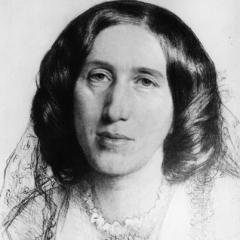
George Eliot, born Mary Ann Evans, was a renowned 19th-century British novelist. Her works are known for their profound psychological insights and critical exploration of social issues. With her unique narrative techniques and rich emotional expression, she has had a profound impact on literature. more
“The power of the metaphor is that in a single flash the entire idea is revealed.”