“The white people always want to fight someone and they always get the dark-skinned people to do the fighting.”
Quote by Sherman Alexie
Work
The Lone Ranger and Tonto Fistfight in Heaven
This book is a collection of short stories by Sherman Alexie that explores the experiences of Native Americans living on and around the Spokane Indian Reservation in Washington state. The stories blend realism with magical and surreal elements, often focusing on themes of identity, poverty, alcoholism, and cultural dislocation. The title story and others feature recurring characters, including the young narrator Victor, and use humor and tragedy to examine the complexities of contemporary Native American life, challenging stereotypes and historical narratives. more
Author
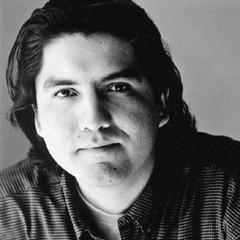
Sherman Alexie
Sherman Alexie is an American poet, writer, and actor, known for his works that reflect the life of Native Americans. He was born on October 7, 1966, and grew up in the Confederated Tribes of the Umatilla Indian Reservation in Rainier, Washington. more
You May Also Like
Source: Fire
“War must always be done out of sight, it shocks people and they stop immediately.”
Source: The Girl Who Circumnavigated Fairyland in a Ship of Her Own Making
Source: Arch of Triumph: A Novel of a Man Without a Country
Source: Forrest Gump
Source: Snow White
Source: The Naked and the Dead
Source: The Colonel Who Would Not Repent: The Bangladesh War and Its Unquiet Legacy
Source: Forrest Gump
Source: Beyond Band of Brothers: The War Memoirs of Major Dick Winters