“Solitude, the safeguard of mediocrity, is to genius the stern friend, the cold, obscure shelter where moult the wings which will bear it farther than suns and stars. He who should inspire and lead his race must be defended from travelling with the souls of other men, from living, breathing, reading, and writing in the daily, time-worn yoke of their opinions. "In the morning, — solitude;" said Pythagoras; that Nature may speak to the imagination, as she does never in company, and that her favorite may make acquaintance with those divine strengths which disclose themselves to serious and abstracted thought. 'Tis very certain that Plato, Plotinus, Archimedes, Hermes, Newton, Milton, Wordsworth, did not live in a crowd, but descended into it from time to time as benefactors: and the wise instructor will press this point of securing to the young soul in the disposition of time and the arrangements of living, periods and habits of solitude.”
Quote by Ralph Waldo Emerson
Author
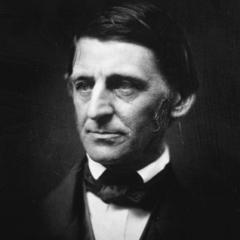
Ralph Waldo Emerson
American essayist, poet, and philosopher. Born on May 25, 1803, and died on April 27, 1882. Known for his transcendentalist philosophy, his works have had a profound impact on literature and the intellectual world. more
You May Also Like
Source: The Lost Tools of Learning
Source: ¿Y si de verdad te quiero?
Source: The Way of Kings
Source: Ender’s Game
“Though life has to be lived forward, it can only be understood backwards”
Source: Chinese Cinderella: The True Story of an Unwanted Daughter
Source: Twilight of the Idols
Source: How Children Fail
“i will never have this version of me again let me slow down and be with her - always evolving”
Source: Home Body