“This was a man who had complete command of himself, a man with a poker face who knew what he was doing and why, and who would not be easily tricked or betrayed into saying more than he meant to say.”
Book:Destination unknown
“This was a man who had complete command of himself, a man with a poker face who knew what he was doing and why, and who would not be easily tricked or betrayed into saying more than he meant to say.”
The narrative follows individuals who set out for a destination that is not revealed to them, focusing on their experiences and interactions along the way. The book delves into the psychological and emotional aspects of traveling into the unknown, examining how people cope with ambiguity and the search for meaning in unfamiliar circumstances. The plot emphasizes the journey itself rather than the final destination, highlighting the transformative power of uncertainty and the human desire to explore beyond familiar boundaries. more
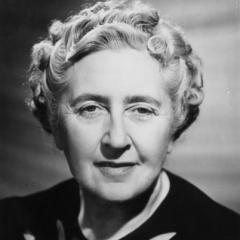
Agatha Christie, a renowned British detective novel writer, is known as the Queen of Detective Fiction. She was born on September 15, 1890, and passed away on January 12, 1976. Christie's works are characterized by intricate plots, unique reasoning, and vivid characters, and have had a profound impact on detective fiction worldwide. more
“Words have power. Names are power. Never give that shit away for free.”
“I’m starting to wonder if taking hostages was such a good idea.”
“Kids, hindi masama ang magbasa ng comics, pero 'wag kalimutang mag-aral...”