“Our reverence for independence takes no account of the reality of what happens in life: sooner or later, independence will become impossible. Serious illness or infirmity will strike. It is as inevitable as sunset. And then a new question arises: If independence is what we live for, what do we do when it can no longer be sustained?”
Quote by Atul Gawande
Work
Being Mortal: Medicine and What Matters in the End
In this insightful book, the author delves into the complexities of aging and the end of life, examining the intersection of medicine, ethics, and personal values. The narrative explores the challenges faced by patients, families, and healthcare providers as they navigate the final stages of life, emphasizing the need for meaningful conversations and the pursuit of a good quality of life. more
Author
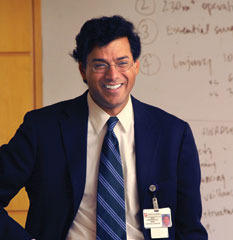
Atul Gawande
Atul Gawande is a renowned American surgeon and writer. Born on November 5, 1965, in Mumbai, India, he immigrated to the United States. Gawande is known for his expertise in surgery and his profound insights into the healthcare system. His writings cover a range of topics from surgical techniques to medical ethics, and have been well-received by readers. more
You May Also Like
Source: The Glimpses of the Moon
Source: The Masquerade
Source: The Last American Man
“I guess I've found that I'd rather be alone than with the wrong person.”
Source: Just One of the Guys
“If you don’t leave your job, your job will leave you someday”
“A distorted perspective of mankind is a terrible independence”
Source: The Breakers Series: Books 4-6
“When we set up a goal for ourselves our body starts to produce inner energy independently”
Source: Life Class
Source: Send Yourself Roses: Thoughts on My Life, Love, and Leading Roles