Quotessence
Home / Quotes / Quote by John Keats

Quote by John Keats

Work

Letters of John Keats

Browse quotes and source details for this work. more

Author
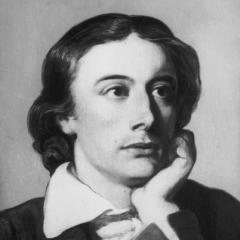
John Keats
John Keats

John Keats, a British Romantic poet, was born on October 31, 1795, and died on February 23, 1821. Known for his profound depictions of nature, love, and death, Keats' poetry is characterized by its fresh style and sincere emotion, exerting a profound influence on poets of later generations. more

You May Also Like

“Boros's presence reminded me what it's like to live with someone. And how very awkward it is. How much it diverts you from your own thoughts and distracts you. How another Person starts to irritate you without actually doing anything annoying, but simply by being there. Each morning when he went off to the forest, I blessed my glorious solitude. How do people manage to spend decades living together in a small space? I wondered. How can they possibly sleep in the same bed together, breathing on and jostling each other accidentally in their sleep? I'm not saying it hasn't happened to me too. For some time I shared my bed with a Catholic, and nothing good came of it.”

“Their drift away from others produced a selfish privacy and they had lost the refuge and the consolation of a clan. Baptists, Presbyterians, tribe, army, family, some encircling outside thing was needed. Pride, she thought. Pride alone made them think that they needed only themselves, could shape life that way, like Adam and Eve, like gods from nowhere beholden to nothing except their own creations. She should have warned them, but her devotion cautioned against impertinence. As long as Sir was alive it was easy to veil the truth: that they were not a family-not even a like-minded group. They were orphans, each and all.”

“A number of years ago I had some experience with being alone. For two succeeding years I was alone each winter for eight months at a stretch in the Sierra Nevada mountains on Lake Tahoe. I was the caretaker on a summer estate during the winter months when it was snowed in. And I made some observations then. As time went on I found that my reactions thickened. Ordinarily I am a whistler. I stopped whistling. I stopped conversing with my dogs, and I believe that the subtleties of feeling began to disappear until finally I was on a pleasure-pain basis. Then it occurred to me that the delicate shades of feeling, of reaction, are the result of communication, and without such communication they tend to disappear. A man with nothing to say has no words. Can its reverse be true- a man who has no one to say anything to has no words as he has no need for words? ... Only through imitation do we develop toward originality.”