“Is it not late? A late time to be living? Are not our generations the crucial ones? For we have changed the world. Are not our heightened times the important ones? For we have nuclear bombs. Are we not especially significant because our century is? - our century and its unique Holocaust, its refugee populations, its serial totalitarian exterminations; our century and its antibiotics, silicon chips, men on the moon, and spliced genes? No, we are not and it is not. These times of ours are ordinary times, a slice of life like any other. Who can bear to hear this, or who will consider it?... Take away the bomb threat and what are we? Ordinary beads on a never-ending string. Our time is a routine twist of an improbable yarn...There must be something heroic about our time, something that lifts it above all those other times. Plague? Funny weather? Dire things are happening... Why are we watching the news, reading the news, keeping up with the news? Only to enforce our fancy - probably a necessary lie - that these are crucial times, and we are in on them. Newly revealed, and we are in the know: crazy people, bunches of them. New diseases, shifts in power, floods! Can the news from dynastic Egypt have been any different?”
Quote by Annie Dillard
Work
For the Time Being: Essays
Browse quotes and source details for this work. more
Author
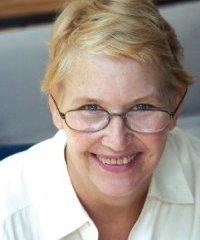
Annie Dillard
Annie Dillard is an American author known for her unique writing style and profound observations of nature. Born on April 30, 1945, she has written several notable works, including 'Pilgrim at Tinker Creek' and 'Under the Sun'. more
You May Also Like
“It’s madness to see life as it is and not how it should be.”
Source: Engleby
Source: South of the Border, West of the Sun
Source: Firebirds Soaring: An Anthology of Original Speculative Fiction
“Universal emptiness is mere concept. The fact is, there was never emptiness.”
Source: My Ancestor Was an Ancient Astronaut
Source: One of Our Thursdays Is Missing
Source: Collected Stories, Vol. 1