“Nein, die Schule hat keinen bestimmenden Einfluss auf meine Entwicklung gehabt. Die Schule hat von meinen besonderen Anlagen wohl instinktiv etwas gespürt, sie aber als obstinate Untauglichkeit gewertet und verworfen. Ein Lehrer drohte, zufällig nicht mir, sondern einem anderen Schüler, mit den Worten: "Ich werde dir deine Karriere schon verderben!" Am gleichen Tag las ich bei Storm den Spruch: "Was du immer kannst, zu werden, scheue Arbeit nicht und Wachen, aber hüte deine Seele vor dem Karrieremachen.”
Quote by Thomas Mann
Work
Über mich selbst: Autobiographische Schriften
Browse quotes and source details for this work. more
Author
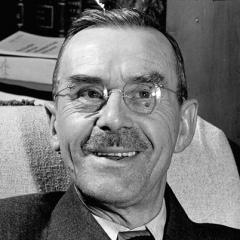
Thomas Mann
Thomas Mann, born on June 6, 1875, and died on August 12, 1955, was a German novelist and one of the greatest writers of the 20th century. Known for his profound psychological portrayals and rich imagination, his works extensively covered themes such as individual and society, history and reality. His masterpieces include 'Buddenbrooks' and 'The Magic Mountain'. more
You May Also Like
Source: Cold Skin
Source: Plucking Cupid's Bow
“For in the forest someone is always watching and someone is always listening!”
Source: A Place Like this
“The building is a tumbling house of cards behind me. The bus bitches are paper cutouts.”
Source: The Jelly Bean Crisis
Source: Fahrenheit 451
Source: Cryptonomicon