Quotessence
Home / Quotes / Quote by Fernando Pessoa

Quote by Fernando Pessoa

“No intelligent idea can gain general acceptance unless some stupidity is mixed in with it. Collective thought is stupid because it's collective. Nothing passes into the realm of the collective without leaving at the border--like a toll--most of the intelligence it contained. In youth we're twofold. Our innate intelligence, which may be considerable, coexists with the stupidity of our inexperience, which forms a second, lesser intelligence. Only later on do the two unite. That's why youth always blunders - not because of its inexperience, but because of its non-unity. Today the only course left for the man of superior intelligence is abdication.”

Quote by Fernando Pessoa

Work

The Book of Disquiet

Written by Fernando Pessoa, this work is a collection of fragments and thoughts that delve into the human condition, offering a unique perspective on the complexities of life and consciousness. more

Author

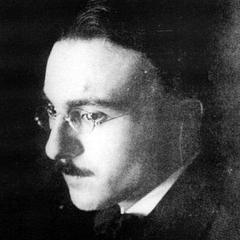
Fernando Pessoa
Fernando Pessoa

Portuguese poet known for his unique narrative style and rich inner world. Fernando Pessoa is considered one of the most influential writers of the 20th century, and his works are still widely studied and discussed today. more

You May Also Like

“Though Kuyper's views on special and common grace and sphere sovereignty are a source of difficult questions about the broader "Christian culture" issue, it is important to note that they also underline important aspects of his ecclesiology. Kuyper believed that common grace, under the lordship of the eternal Son of God, preserved this world with its natural activities and institutions. Special grace, on the other hand, under the lordship of the incarnate Son of God, bestowed saving blessing and thereby ushered in something new. The ministry of the saving grace belong particularly to the institutional church and its means of grace. The idea of sphere sovereignty, for Kuyper, indicated that the authority and activity of the church has a monopoly , as it were, over its distinctive work of ministering special , saving, recreating grace to god's people through its word, sacraments, government, and discipline. Kuyper's terms and categories may have been innovative, bu the larger idea of the church's preeminence in the outworking of Christ's redemptive work should have been familiar to those nurtured in the Reformed tradition.”

“What influence, in fact, have ecclesiastical establishments had on society? In some instances they have been seen to erect a spiritual tyranny on the ruins of the civil authority; on many instances they have been seen upholding the thrones of political tyranny; in no instance have they been the guardians of the liberties of the people. Rulers who wish to subvert the public liberty may have found an established clergy convenient auxiliaries. A just government, instituted to secure and perpetuate it, needs them not.”