“Again I quoted a poet to avoid sounding like a preacher myself who had written, "Was Du erlebst, kann keine Macht der Welt Dir rauben." (What you have experienced, no power on earth can take from you.)”
Quote by Viktor E. Frankl
Work
Man's Search for Meaning
This seminal work delves into the author's experiences as a psychiatrist and prisoner in Nazi concentration camps, offering insights into the human capacity for finding meaning and hope amidst extreme suffering. more
Author
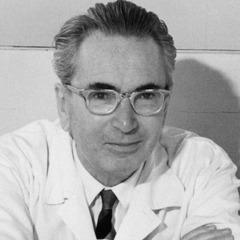
Viktor E. Frankl
Viktor E. Frankl was a renowned neurologist and psychologist, born on March 26, 1905, and died on September 2, 1997. He was one of the founders of existential psychology and is known for his experiences in Nazi concentration camps and his book 'Man's Search for Meaning'. more
You May Also Like
Source: Man's Search for Meaning
Source: Man's Search for Meaning
Source: Philip Pullman's Grimm Tales
“Understanding why things happen the way that they do makes you better prepared to face them.”
Source: Powdered Saxophone Music
Source: Starry Messenger: Cosmic Perspectives on Civilization
Source: Das Harmoniegesetz in uns: Der Klassiker der neuen Richtungen
Source: Iman Insaniyat, Mazhab Muhabbat: Pani, Agua, Water, It's All One
“Since when did personality become a "treatable disorder"?”
Source: Maelstrom
Source: Das Harmoniegesetz in uns: Der Klassiker der neuen Richtungen