“Now he haunts me seldom: some fierce umbilical is broken, I live with my own fragile hopes and sudden rising despair. Now I do not weep for my sins; I have learned to love them And to know that they are the wounds that make love real. His face illudes me; his voice, with its pity, does not ring in my ear. His maxims memorized in boyhood do not make fruitless and pointless my experience. I walk alone, but not so terrified as when he held my hand. I do not splash in the blood of his son nor hear the crunch of nails or thorns piercing protesting flesh. I am a boy again--I whose boyhood was turned to manhood in a brutal myth. Now wine is only wine with drops that do not taste of blood. The bread I eat has too much pride for transubstantiation, I, too--and together the bread and I embrace, Each grateful to be what we are, each loving from our own reality.”
Quote by James Kavanaugh
Work
There Are Men Too Gentle to Live Among Wolves
Browse quotes and source details for this work. more
Author
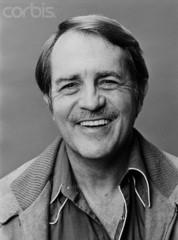
James Kavanaugh
James Kavanaugh was an American priest born on September 17, 1928, and passed away on December 29, 2009. He is known for his contributions to theology and spiritual life. more
You May Also Like
Source: DUNE
“Inspiration for a soul to do any work is service to others and God.”
Source: The Science of Spiritual Enlightenment: A Book for Eternity
“It is the longing to know the unknown that opens the spiritual dimension in our depths...”
Source: Carobni breg 1
Source: Commentary on the Torah