“Artists are people who are not at all interested in the facts—only in the truth. You get the facts from outside. The truth you get from inside.”
Quote by Ursula K. Le Guin
Work
The Language of the Night: Essays on Writing, Science Fiction, and Fantasy
Browse quotes and source details for this work. more
Author
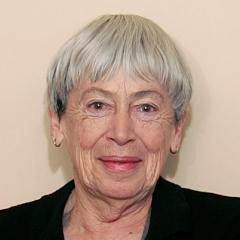
Ursula K. Le Guin
Ursula K. Le Guin, born on October 21, 1929, is an esteemed American author of science fiction and fantasy. Known for her profound philosophical insights, rich imagination, and unique narrative style, Le Guin's works have won numerous literary awards and have had a significant impact on science fiction and fantasy literature. Her most famous works include the 'Earthsea' series and 'The Left Hand of Darkness', which have won her awards such as the Nebula and Hugo Awards, and she has also received the National Book Award for lifetime achievement for her contributions to literature. more
You May Also Like
“In the Nature of Art, Within the Art of Nature”
Source: Elixir: A Journey into Ancestral Alchemology
Source: Democracy in Retrograde: How to Make Changes Big and Small in Our Country and in Our Lives
Source: Martyr!
“All works of art involve collaboration; all works of criticism doubly so.”
Source: Super Gay Poems: LGBTQIA+ Poetry After Stonewall
Source: Rebel Genius
Source: The Magus
Source: More Than Words: How to Think About Writing in the Age of AI