Quotessence
Home / Quotes / Quote by Kazuo Ishiguro

Quote by Kazuo Ishiguro

“They wear their professionalism as a decent gentleman will wear his suit: he will not let ruffians or circumstance tear it off him in the public gaze; he will discard it when, and only when, he wills to do so, and this will invariably be when he is entirely alone. It is, as I say, a matter of 'dignity'.”

Quote by Kazuo Ishiguro

Work

The Remains of the Day

This novel, set in the 1950s, follows the life of Stevens, a dedicated butler who serves the same family for decades. It delves into the complexities of his personal and professional life, reflecting on the impact of the war and the changing social landscape of England. The narrative is introspective, offering a nuanced look at the role of servants in British society and the hidden emotional landscapes of its characters. more

Author
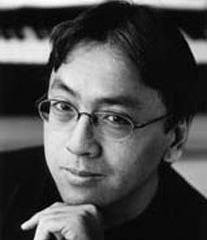
Kazuo Ishiguro
Kazuo Ishiguro

Kazuo Ishiguro is a Japanese-born British novelist known for his unique literary style and profound insights into human nature. His works often explore themes of memory, identity, and common human emotions. Born on November 8, 1954, Ishiguro's career began with the publication of his first novel 'When Breath Becomes Air' in 1982, which received widespread acclaim. more

You May Also Like

“Is it necessary to point out to what extent and in what manner religions debase and corrupt the people? They destroy their reason, the principal instrument of human emancipation, and reduce them to imbecility, the essential condition of their slavery. They dishonor human labor, and make it a sign and source of servitude. They kill the idea and sentiment of human justice, ever tipping the balance to the side of triumphant knaves, privileged objects of divine indulgence. They kill human pride and dignity, protecting only the cringing and humble. They stifle in the heart of nations every feeling of human fraternity, filling it with divine cruelty instead.”

“Before operating on a patient's brain, I realized, I must first understand his mind: his identity, his values, what makes his life worth living, & what devastation makes it reasonable to let that life end. The cost of my dedication to succeed was high, & the ineluctable failures brought me nearly unbearable guilt. Those burdens are what make medicine holy & wholly impossible.”

“Nobody reads poetry, we are told at every inopportune moment. I read poetry. I am somebody. I am the people, too. It can be allowed that an industrious quantity of contemporary American poetry is consciously written for a hermetic constituency; the bulk is written for the bourgeoisie, leaving a lean cut for labor. Only the hermetically aimed has a snowball's chance in hell of reaching its intended ears. One proceeds from this realization. A staggering figure of vibrant, intelligent people can and do live without poetry, especially without the poetry of their time. This figure includes the unemployed, the rank and file, the union brass, banker, scientist, lawyer, doctor, architect, pilot, and priest. It also includes most academics, most of the faculty of the humanities, most allegedly literary editors and most allegedly literary critics. They do so--go forward in their lives, toward their great reward, in an engulfing absence of poetry--without being perceived or perceiving themselves as hobbled or deficient in any significant way. It is nearly true, though I am often reminded of a Transtromer broadside I saw in a crummy office building in San Francisco: We got dressed and showed the house You live well the visitor said The slum must be inside you. If I wanted to understand a culture, my own for instance, and if I thought such an understanding were the basis for a lifelong inquiry, I would turn to poetry first. For it is my confirmed bias that the poets remain the most 'stunned by existence,' the most determined to redeem the world in words..”