Quotessence
Home / Quotes / Quote by Markus Zusak

Quote by Markus Zusak

“There were heavy beams - planks of sun - falling randomly, wonderfully, onto the road. Clouds arched their backs to lok behind as they started again to move on. 'It's such a beautiful day,' he said, and his voice was in many pieces. A great day to die. A great day to die, like this.”

Quote by Markus Zusak

Work

The Book Thief

This novel is a poignant story of survival and the power of literature. Narrated by Death, it follows the life of Liesel Meminger, a girl who is sent to live with a German family during the tumultuous years of World War II. Liesel becomes deeply involved with her foster family, learning to read and write, and finding solace in books amidst the chaos of the war. The story explores themes of love, loss, and the human spirit in the face of adversity. more

Author

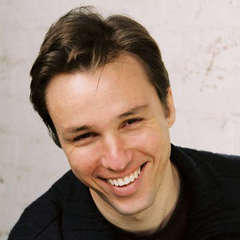
Markus Zusak
Markus Zusak

Markus Zusak, born on June 23, 1975, is an acclaimed Australian author known for his unique narrative style and profound thematic insights. His works have garnered widespread praise from readers and critics alike. more

You May Also Like

“Humility is by far the most spiritual virtue of the lot. The only way by which one may cease obsessing over himself is to wholly step outside his flesh. But who could do this by himself? And who would really want to under his natural pretense? And even if somehow he could and he succeeded, would not it be artificial? Would not he seem far too aware of his own talents of achieving humility for it to be such? Alternatively, he would need a distraction, something else to love; it is not that the Humbleman thinks poorly of himself, nor highly for that matter, but rather he does not think of himself at all - and this is because he is too busy loving something or someone else to do it. For the humility of this kind 'rears its head' as the most love-driven and free, spiritual of virtues; whereas its opposite, pride, the most self-imprisoning human vice.”

“[...] non è effetto alcuna in natura, per minimo che e' sia, all'intera cognizion del quale possano arrivare i piú specolativi ingegni. Questa cosí vana prosunzione d'intendere il tutto non può aver principio da altro che dal non avere inteso mai nulla, perché, quando altri avesse esperimentato una volta sola a intender perfettamente una sola cosa ed avesse gustato veramente come è fatto il sapere, conoscerebbe come dell'infinità dell'altre conclusioni niuna ne intende.”

“Martin Luther was a thoroughly educated man but he wore this lightly. His sermons were littered with only examples and improving tales, drawing equally from the fables of Aesop and the follies of life he observed all around him.”