“Now, the only song a woman knows is the song she learns at birth, a sorrowin’ song, with the words all wrong, in the many tongues of Earth. The things a woman wants to say, the tales she longs to tell . . . they take all day in the tongues of Earth, and half of the night as well. So nobody listens to what a woman says, except the men of power who sit and listen right willingly, at a hundred dollars an hour . . . sayin’ “Who on Earth would want to talk about such foolish things?” Oh, the tongues of Earth don’t lend themselves to the songs a woman sings! There’s a whole lot more to a womansong, a whole lot more to learn; but the words aren’t there in the tongues of Earth, and there’s noplace else to turn. . . . So the woman they talk, and the men they laugh, and there’s little a woman can say, but a sorrowin’ song with the words all wrong, and a hurt that won’t go away. The women go workin’ the manly tongues, in the craft of makin’ do, but the women that stammer, they’re everywhere, and the wellspoken ones are few. . . . ’Cause the only song a woman knows is the song she learns at birth; a sorrowin’ song with the words all wrong, in the manly tongues of Earth. (a 20th century ballad, set to an even older tune called “House of the Rising Sun”; this later form was known simply as “Sorrowin’ Song, With the Words All Wrong”)”
Quote by Suzette Haden Elgin
Book:Native Tongue
Work
Native Tongue
This book is a speculative fiction narrative that delves into the impact of language on individual and collective identity, set in a world where language shapes not only communication but also the very essence of a person's being. more
Author
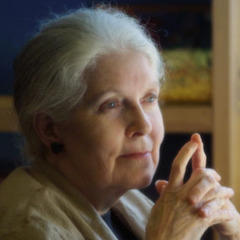
Suzette Haden Elgin
Suzette Haden Elgin (November 18, 1936 – January 27, 2015) was an American linguist, science fiction author, and feminist activist. She is best known for creating the constructed language Láadan, designed to express women's perspectives and experiences. Her works include the Native Tongue trilogy and numerous linguistic studies. She explored themes of gender, power, and social structures through language and literature, leaving a lasting impact on feminist science fiction and linguistics. more
You May Also Like
Source: She Who Became the Sun
Source: Nonviolence: The Transforming Power
Source: Just Mercy
Source: She Who Became the Sun
Source: The Anti-Capitalist Chronicles
Source: The Great Gatsby: F. Scott Fitzgerald
Source: Counselling, Class and Politics: Undeclared Influences in Therapy
Source: Why We Can't Wait
Source: Art Objects: Essays on Ecstasy and Effrontery
Source: Main Currents Of Marxism: The Founders, The Golden Age, The Breakdown