Quotessence
Home / Quotes / Quote by Anthony Mary Claret

Quote by Anthony Mary Claret

“Mihi mori lucrum--For me to die is a gain. To die, murdered by the haters of Jesus Christ, would be my gain. All my fervent desires have always been to die in a hospital as a poor man, or on the scaffold as a martyr, murdered by enemies because of the most holy religion that we profess and preach. I should like to seal with my blood the virtues and truths which I have preached and taught.”

Quote by Anthony Mary Claret

Work

The Autobiography of St. Anthony Mary Claret

This book offers a comprehensive look into the life of St. Anthony Mary Claret, a Catholic priest and missionary, through his own words. It covers his early life, his religious calling, his missionary work, and his spiritual insights. more

Author
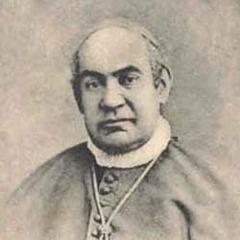
Anthony Mary Claret
Anthony Mary Claret

Anthony Mary Claret was born on December 23, 1807, and died on October 24, 1870. His occupation and category are unknown, and his life experiences and contributions require further research. more

You May Also Like

“– Książę Sirius nie mógł usiedzieć spokojnie na miejscu. Dziewczyna strasznie mu się podobała. Wiercił się i kręcił. Po chwili postanowił powtórzyć numer z kubkiem. Niby przypadkiem strącił łokciem kolejne naczynie. A kiedy na podłodze wylądował z hukiem dzban, znowu wsadził głowę pod stół, niby, żeby go podnieść. Harmeen odrzuciła dumnie głowę. – Nie zrzucajcie naczyń niepotrzebnie, bo je potłuczecie. – Ciągle siedziała wyprostowana na baczność, z kolanem przy kolanie, kompletnie nieruchoma. – Jeśli wam taka ciekawość, panie… to patrzcie! – Mając na sobie króciutką spódniczkę i nic pod spodem… nagle rozstawiła szeroko nogi! Szybko i sprężyście, jakby to była część wojskowej komendy. – Patrzcie! Jeśli honor pozwala. Sirius wyprysnął spod stołu. Był czerwony jak burak. Bogowie! Doprowadziła światowca i świntucha do tego, że dostał rumieńców.”

“Ze względu na specyfikę mojego zawodu często mam okazję się przekonać, jak różną wartość przypisuje się ludzkiemu życiu – i śmierci. Niektórzy ludzie w chwili śmierci są tak biedni i tak samotni, że nikt nawet nie zgłasza się po ich ciała, które leżą w kostnicy do czasu, aż lekarz sądowy albo koroner nie pogrzebie ich w mogile dla nędzarzy. Inni – obdarzeni przez los kochającą rodziną, wysoką pozycją społeczną lub dużym ubezpieczeniem – odchodzą w blasku chwały, pośród kwiatów i złota.”

“Take one of the dishes you will be eating tonight, fritto misto. The old butcher who sold me the meat was most insistent that it should be cooked the old way---so brains, for example, are always poached in vegetables, then left to cool before being sliced and deep-fried in batter. But then you think, this batter is not so different from Japanese tempura, and tempura can be served with a sweet chile and soy dipping sauce, so why not make an Italian version of that, perhaps with balsamic vinegar from Modena instead of soy, and see what happens”

“Okonomiyaki, meanwhile, is to American pancakes what Japanese wrestling is to American wrestling. The basic batter contains flour and water, grated nagaimo (that big slimy yam again), eggs, and diced cabbage. You then augment this base by ordering little bits and nibbles a la carte to be added to the batter. We could not figure out the ordering system, but we listed off ingredients we liked and ended up with two pancakes' worth of batter teeming with squid, octopus, sliced negi, and pickled ginger. The waiter dropped off a big bowl of unmixed pancake fixings and a couple of spatulas and assumed we would know how to do the rest. Every time we did something wrong, he sucked in his breath (a very common sound in Japan, at least in my presence) and intervened. Every time we did something right, he gave the thumbs-up and a Fonzie-like grunt of approval. Now that I've cooked two okonomiyaki and am certified by the Vera Okonomiyaki Napoletana Association, I can tell you how it's done. If your okonomiyaki has a large featured ingredient like strips of pork belly, set it aside to go on top; don't mix it in. Stir everything else together really well. Pour some oil onto the griddle and smooth it out into a thin film with a spatula. Dump the batter onto the griddle and shape it into a pancake about 1/2 to 3/4 inch thick. If you have pork strips, lay them over the top now like you're making bacon-wrapped meatloaf. Now wait. And wait. And wait. If little bits of egg seep out around the edge of your pancake, coax them back in. It takes at least five minutes to cook the first side of an okonomiyaki. Maybe ten. Maybe thirty. If you're not hungry enough to drink a tureen of raw batter, it's not ready. Finally, when it's brown on the bottom, slide two spatulas underneath and flip with confidence. Now wait again. When the center is set and the meat is crispy, cut it into wedges and serve with okonomiyaki sauce, mayo, nori, and fish flakes. If you haven't had okonomiyaki sauce, it's a lot like takoyaki sauce. Sorry, just kidding around. It's a lot like tonkatsu sauce.”

“The batter was crispy, like tempura, but it didn't have much flavor other than beer- which was fine, but not what he wanted. It added a malty bitterness that didn't balance right with the cheese. He wanted everyone to love these curds, not just beer fans. And it didn't have the crunch he wanted. It was too tender, which meant perhaps a batter wasn't the route to go. Maybe breadcrumbs would give him the texture and structure he craved. But the cheese- the cheese was perfect. Melty, stringy, yet still retaining a bit of the squeak that made fresh cheese curds so special. It would be easy enough to get the supplies from a local dairy or even the grocery stores. In Wisconsin, great cheese was easier to find than a bagel in New York. He ate another one. The cheese itself was salty. What would work with that? Something with a little sweetness? Like a Wheat Thin or a graham cracker? He could mix crushed graham crackers with breadcrumbs for his next attempt.”