Quotessence
Home / Quotes / Quote by Robert Jackson Bennett

Quote by Robert Jackson Bennett

Work

American Elsewhere

In this suspenseful novel, the protagonist discovers strange and unsettling events in the seemingly ordinary town of American Elsewhere, leading to a gripping exploration of the supernatural and the unknown. more
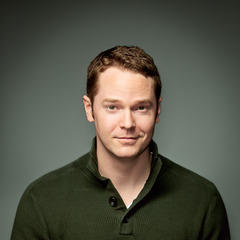
Author

Robert Jackson Bennett

Robert Jackson Bennett, born in 1984, is an accomplished American writer known for his imaginative storytelling, profound themes, and rich narrative techniques. His works have gained widespread popularity among readers. more

You May Also Like

“Sometimes an understanding silence was better than a bunch of meaningless words." "You brought me back to life when I didn’t even know I was dead inside." "Everyone has a story, Archer. Everyone has a past. It’s what you do with it that matters." "I didn’t want to fix him. I just wanted to love him while he healed himself." "You make me want to try. You make me believe that I’m not too far gone." "You taught me that I wasn’t invisible. That I mattered. That I was enough." "You healed me in places I didn’t even know were broken." "I had learned that the most powerful voices were the ones that often spoke the least, and yet meant the most.”

“The fact that you are questioning your relationship with your parent means you are bringing about awareness and activating the process of change in yourself. By increasing your awareness, your own intuitive healing journey began. Trust in time for answers that are not clear yet, and love the questions themselves.”

“His [(Rumpelstiltskin)] feeling that his name, which is his identity, must be kept secret, or else he'll be revealed to the world as the hunchbacked, shriveled, ridiculous creature he knows himself to be. And if that happens, he'll disappear.”

“Nobody feels ashamed of going to the dentist; it’s socially appropriate to take care of your teeth, even preventively. In short, it’s more normal to take care of our dental health than our mental health . . . it’s more acceptable to care for our mouths than our minds.”