“There is one myth about writers that I have always felt was particularly pernicious and untruthful—the myth of the "lonely writer," the myth that writing is a lonely occupation, involving much suffering because, supposedly, the writer exists in a state of sensitivity which cuts him off, or raises him above, or casts him below the community around him. This is a common cliché, a hangover probably from the romantic period and the idea of the artist as a Sufferer and a Rebel. Probably any of the arts that are not performed in a chorus-line are going to come in for a certain amount of romanticizing, but it seems to me particularly bad to do this to writers and especially fiction writers, because fiction writers engage in the homeliest, and most concrete, and most unromanticizable of all arts. I suppose there have been enough genuinely lonely suffering novelists to make this seem a reasonable myth, but there is every reason to suppose that such cases are the result of less admirable qualities in these writers, qualities which have nothing to do with the vocation of writing itself.”
Quote by Flannery O'Connor
Work
Mystery and Manners: Occasional Prose
This book is a compilation of essays that delve into a range of topics, offering insights into the author's perspectives on literature, art, and personal anecdotes. more
Author
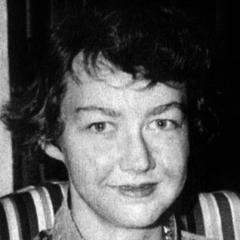
Flannery O'Connor
Flannery O'Connor was an American writer known for her unique Southern background and profound religious themes. Her works often explore moral and religious issues through satire and humor, with her novels 'Wise Blood' and 'The Violent Bear It Away' being among her most famous. more
You May Also Like
Source: The Love of Europa: Limited Time Edition
Source: Pearls of Wisdom: Great mind
“There are terrible things out there. Even in places you think there wouldn't be.”
Source: I Took a Plane to Die in Denver
“Spiritually mature people accept personal responsibility for their daily reality experience.”