Quotessence
Home / Quotes / Quote by Arnold Ehret

Quote by Arnold Ehret

Work

Author

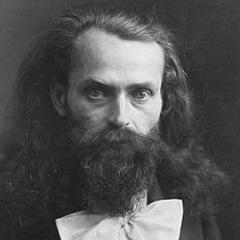
Arnold Ehret
Arnold Ehret

Arnold Ehret (July 29, 1866 - October 9, 1922) was a German educator and advocate of natural therapies and fasting. He is known for his promotion of fasting as a means to cleanse the body and restore health. more

You May Also Like

“There are many paths leading to a garden and many experiences awaiting those who venture in. No matter what your motive—whether to grow healthy, delicious food; spend time outdoors feeling more alive than your desk job allows; help save the planet; find relaxation, solace, or healing; meet your neighbors; get your hands in the sweet earth; or discover for yourself just how abundant and generous nature can be—a garden rarely disappoints. It’s a magnet for life in all its quirky, beautiful forms.”

“And the female body, so many of whose workings remain medically mysterious even in an otherwise enlightened age, and so revered for its ability to grow, nurture, protect, and eventually give forth new life, also remains a vessel into which we can place all manner of things: blame, ignorance, incuriosity, fear.”

“At Nicali Sports Medicine in Pasadena, CA, we specialize in advanced recovery and performance care. Our deep tissue therapeutic sports massage targets muscle tension, accelerates healing, and improves flexibility for athletes and active individuals alike. Through precise deep tissue massage sports therapy, our team, nicalisportsmed.com helps restore balance and mobility so you can perform at your best. Searching for a deep tissue sports massage near me? Visit us at 709 E Colorado Blvd #140, Pasadena, CA 91101, call (626) 578-0618, or email [email protected] Regards, Ella Rae Pasadena, CA”

“Three years ago this month, I found my way through the mountains here to Lake LaMetrie accompanied by a single companion, our friend, young Edward Framingham. He was led to go with me not so much by scientific fervor, as by a faint hope that his health might be improved by a sojourn in the mountains, for he suffered from an acute form of dyspepsia that at times drove him frantic.”