Quotessence
Home / Quotes / Quote by Pier Paolo Pasolini

Quote by Pier Paolo Pasolini

“L'ansia del consumo è un'ansia di obbedienza a un ordine non pronunciato. Ognuno in Italia sente l'ansia, degradante, di essere uguale agli altri nel consumare, nell'essere felice, nell'essere libero: perché questo è l'ordine che egli ha inconsciamente ricevuto, a cui «deve» obbedire, a patto di sentirsi diverso. Mai la diversità è stata una colpa così spaventosa come in questo periodo di tolleranza.”

Quote by Pier Paolo Pasolini

Work

Scritti corsari

Browse quotes and source details for this work. more

Author

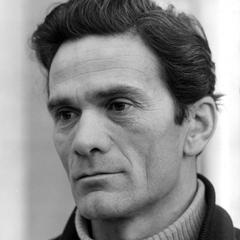
Pier Paolo Pasolini
Pier Paolo Pasolini

Italian film director known for his unique artistic style and profound social criticism. Pasolini's films spanned a variety of styles, from Neorealism to political satire, often exploring themes of class, gender, and social inequality. His notable works include 'La Dolce Vita', 'The Decameron', and 'Sodoma 120 Days'. more

You May Also Like

“Fin dalla prima volta, da quando sono stato morso, so parlare il Black Friday. O quantomeno lo capisco. Non lo parlo fluentemente, ma lo mastico. Ho dentro qualcosa di loro. Sento le persone, le taglie, il modello, la marca e il motivo. Anche se quelli non fanno altro che schiumare dalla bocca. Usando l’asta aggancio uno SleekPack della PoleFace® azzurro taglia M appeso a una rastrelliera in alto sulla parete. «Grazie», grugnisce l’uomo quando gli tiro in faccia il giaccone.”

“...to know her, or anyone, one must seek out the people who completed them; even the places. Odd affinities she had with people she had never spoken to, some woman in the street, some man behind a counter – even trees, or barns. It ended in a transcendental theory which, with her horror of death, allowed her to believe, or say that she believed (for all her scepticism), that since our apparitions, the part of us which appears, are so momentary compared with the other, the unseen part of us, which spreads wide, the unseen might survive, be recovered somehow attached to this person or that, or even haunting certain places, after death. Perhaps – perhaps.”