“The second important principle was 'normality.' The Kremlin has been trying for years to marginalize our movement and drive it underground, to turn us into a modern equivalent of the Soviet dissidents. I have great respect for those dissidents, who were heroes. But in 2012, no one in their right mind wanted to become a heroic dissident-it's dangerous and it's scary. Everyone just wanted to be normal. And that's exactly what we were-normal people with a normal office life. Although we were essentially an organization for revolution, with each person taking great risks, from the outside we looked like a bunch of Moscow hipsters. We had a spacious open plan office and a coffee machine, and we played Secret Santa. WE had Twitter and Instagram accounts. Our staff was young, everyone was friends with everyone else, we went on hikes together and threw parties (though in later years I began to notice a curious tendency for everything that was the most fun to begin after I had gone home). The only way we were different from a fancy start-up was that we were battling Putin. Of course that brought with it predictable downers, like having our office bugged. Although that was disagreeable, it was not particularly scary. Over time, however, the downers became more numerous. the pressure grew year by year, and by 2019 arrests and searches had become part of our daily lives. Our hipster office remained just as hipsterish, only now the riot police sawed through the door with a chain saw, burst in with semiautomatic weapons, made everyone lie on the floor. During one of these raids, fifty members of the staff were relieved of their computers and phones, and all our equipment, documents, and personal belongings were taken. If you managed to hide your phone behind the baseboard molding and your computer in the ceiling tiles-well done. But most often everything was confiscated. The tactic was clear enough: We needed money to replace the equipment, and we would have to ask for donations. The Kremlin was hoping it would gradually become more difficult to raise funds, but after each attack on us we saw a surge in contributions. What the Anti-Corruption Foundation does is obvious from the name. We are hybrids, somewhere between journalists, lawyers, and political activists. We come across a story involving corruption, examine the documents, collect evidence, and publish it. In the first years, we did so as posts on my blog; later, as videos on YouTube. The most important thing we do, then, is spread the story so millions hear about it. The number of independent media outlets was falling rapidly, censorship was everywhere, and no major newspaper, let alone television network, was going to publicize our work. What do you do in a situation like that? You tell the story yourself and ask others to help. Post a link on your blog, write something on social media, send the video to your friends, and if nothing else is helping, print out a leaflet and put it up in elevators. 'This is our mayor: His official salary is around $2,000 a month. and here is his apartment in Miami, which is worth $5 million.' At the end of every investigation I made an appeal: 'Guys we've done our bit. Here's a great, important story, but without your help no one is going to know about it. Send links to your friends. Join your regional group on VKontakte and leave a comment there too. Send it to your grandmother and your parents.' The result was that donors not only gave us money but effectively started working for us themselves and became an important part of our organization.”
Quote by Alexei Navalny
Book:Patriot: A Memoir
Work
Patriot: A Memoir
Browse quotes and source details for this work. more
Author
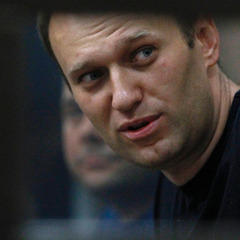
Alexei Navalny
Alexei Navalny is a Russian lawyer and political activist recognized for his anti-corruption efforts and criticism of the Russian government. Born on June 4, 1976, he has gained international acclaim for his work in exposing corruption within the Russian political establishment. more
You May Also Like
Source: Organised Sexual Abuse
Source: Organised Sexual Abuse
Source: The Postwoman and Other Stories
Source: The Postwoman and Other Stories
Source: The Postwoman and Other Stories
Source: The Postwoman and Other Stories
“Hope is a woman who has lost her fear.”
Source: Taking the Arrow Out of the Heart
Source: White Tears/Brown Scars: How White Feminism Betrays Women of Color