“Now, to be sure, Mrs Varden thought, here is a perfect character. Here is a meek, righteous, thoroughgoing Christian, who, having mastered all these qualities, so difficult of attainment; who, having dropped a pinch of salt on the tails of all the cardinal virtues, and caught them everyone; makes light of their possession, and pants for more morality. For the good woman never doubted (as many good men and women never do), that this slighting kind of profession, this setting so little store by great matters, this seeming to say, ‘I am not proud, I am what you hear, but I consider myself no better than other people; let us change the subject, pray’—was perfectly genuine and true. He so contrived it, and said it in that way that it appeared to have been forced from him, and its effect was marvellous. Aware of the impression he had made—few men were quicker than he at such discoveries—Mr Chester followed up the blow by propounding certain virtuous maxims, somewhat vague and general in their nature, doubtless, and occasionally partaking of the character of truisms, worn a little out at elbow, but delivered in so charming a voice and with such uncommon serenity and peace of mind, that they answered as well as the best. Nor is this to be wondered at; for as hollow vessels produce a far more musical sound in falling than those which are substantial, so it will oftentimes be found that sentiments which have nothing in them make the loudest ringing in the world, and are the most relished.”
Quote by Charles Dickens
Work
Charles Dickens' 'Barnaby Rudge' is a richly detailed narrative that delves into the tumultuous era of the Gordon Riots. The novel vividly portrays the lives of ordinary citizens amidst the backdrop of political and religious tensions. Dickens uses Barnaby Rudge, a young boy, as a central figure to explore themes of justice, reform, and the power of the mob. The story is a blend of historical fact and fictional characters, offering a compelling look at the social and political landscape of 18th-century London. more
Author
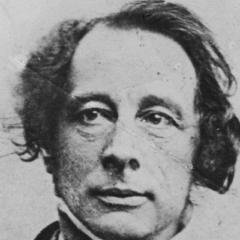
Charles Dickens, a British writer born on February 7, 1812, and died on June 9, 1870, is one of the greatest novelists of the 19th century. Known for his profound social criticism and vivid narrative style, Dickens' works extensively cover social reality, revealing various issues in the British society of the time. more
You May Also Like
“Hypocrites preach morality but live a shameful life.”
“Himself an ugly man, insignificant of appearance, he prized very highly comeliness in others.”