“One funny thing about zazen is that, unlike most other forms of meditation, we keep our eyes open. This is a way of acknowledging the outside world as part of our practice and as a part of us. If we close our eyes and shut out the outside world, we get a little unbalanced. We can start to believe that what we are is limited to that which is enveloped in what Dōgen likes to call our “skin bag.” Or, conversely, the lack of visual input leads us deeper into the world of our own fantasies and abstractions. By opening our eyes, we are letting in that light that Dōgen says we should shine inward. So although we are shining our light inward, we also accept that there is no hard line that divides ourselves from the outside world, or the rest of the universe.”
Quote by Brad Warner
Work
Don't Be a Jerk: And Other Practical Advice from Dogen, Japan's Greatest Zen Master
Browse quotes and source details for this work. more
Author
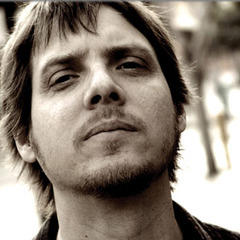
Brad Warner
Brad Warner, born on March 5, 1964, is an American author known for his works that blend Buddhist philosophy, life wisdom, and humor. Warner combines Buddhist thought with modern life in a unique way, offering readers a distinctive reading experience. more
You May Also Like
Source: The Zen Life
Source: Zen Pathways: An Introduction to the Philosophy and Practice of Zen Buddhism
Source: Zen Pathways: An Introduction to the Philosophy and Practice of Zen Buddhism
Source: Zen Mind, Beginners Mind
“To be aware of the meaning of your life, you practice zazen.”
Source: Zen Mind, Beginner's Mind: Informal Talks on Zen Meditation and Practice
Source: Shoes Outside the Door: Desire, Devotion, and Excess at San Francisco Zen Center
Source: The Return of the Prodigal Son
“Mindful of the passing of time, engage yourself in zazen as though saving your head from fire.”
Source: The Essential Dogen: Writings of the Great Zen Master
Source: The Essential Dogen: Writings of the Great Zen Master
Source: The Essential Dogen: Writings of the Great Zen Master