“In Hebrew, the word Sabbath means “rest.” The purpose of the Sabbath dates back to the Creation of the world, when after six days of labor the Lord rested from the work of creation. When He later revealed the Ten Commandments to Moses, God commanded that we “remember the sabbath day, to keep it holy.” Later, the Sabbath was observed as a reminder of the deliverance of Israel from their bondage in Egypt. Perhaps most important, the Sabbath was given as a perpetual covenant, a constant reminder that the Lord may sanctify His people. In addition, we now partake of the sacrament on the Sabbath day in remembrance of the Atonement of Jesus Christ. Again, we covenant that we are willing to take upon us His holy name.”
Quote by Russell M. Nelson
Work
Accomplishing the Impossible: What God Does, What We Can Do
Browse quotes and source details for this work. more
Author
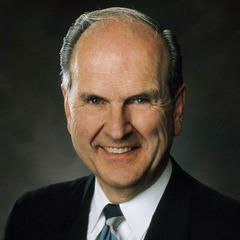
Russell M. Nelson
Russell M. Nelson is a renowned American surgeon, born on September 9, 1924. He has made significant contributions to the field of medicine, particularly in cardiac surgery. Dr. Nelson has performed thousands of heart surgeries throughout his career and is known for his innovative techniques in the field. more
You May Also Like
Source: Accomplishing the Impossible: What God Does, What We Can Do
Source: Accomplishing the Impossible: What God Does, What We Can Do
Source: The Sabbath: Its Meaning for Modern Man
Source: A Love Made Out of Nothing & Zohara's Journey
“Praise the Lord for the fact that you are still breathing. Offer unto Him your Thanksgiving.”
Source: The Gift of Thanksgiving
Source: The Remaking of Corbin Wale
“I have seen and penetrated through the veil of all illusions.”