“You think there's something materialistic about collecting books, but really collectors are the last romantics. We're the only ones who still love books as objects." "That's the question," said Jess. "How do you love them if you're always selling them?" "I don't sell everything," he said. "You haven't seen my own collection." "What do you have?" "First editions. Yeats, Dickinson- all three volumes; Eliot, Pound, Millay..." He had noticed the books she read in the store. "Plath. I also have Elizabeth Bishop." "I wish I could see them," Jess said. "You would have come to my house." "Are you inviting me?" She must have known this was a loaded question, but she asked without flirtatiousness or self-consciousness, as if to say, I only want to know as a point of information. Yes, he thought, I'm inviting you, but he did not say yes. He was her employer. She could act with a certain plucky independence, but he would always be the big bad wolf.”
Quote by Allegra Goodman
Work
The Cookbook Collector
This book explores the life of an individual deeply fascinated by the culinary history encapsulated in vintage cookbooks. The story delves into the collector's personal journey, intertwining his obsession with the art of cooking and the stories behind each book he acquires. more
Author
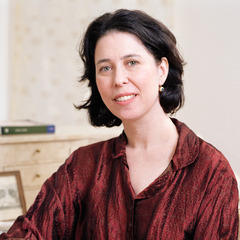
Allegra Goodman
Allegra Goodman is an American author born in 1967. Her works span various literary genres, including novels, short story collections, and children's literature. Goodman's writing often explores moral dilemmas, social justice, and the complexities of human behavior. more
You May Also Like
Source: Bossypants
Source: Sincerity and Authenticity
Source: Tango
Source: A Room with a View
“Once you figure out what you want in life—expect nothing less.”
Source: Make It Happen, A Healthy, Competitive Approach to Achieving Personal Success
Source: Bossypants
Source: We Took to the Woods