Quotessence
Home / Quotes / Quote by Carl Sagan

Quote by Carl Sagan

“The scope and audacity of John Kennedy’s May 25, 1961, message to a joint session of Congress on “Urgent National Needs”—the speech that launched the Apollo program—dazzled me. We would use rockets not yet designed and alloys not yet conceived, navigation and docking schemes not yet devised, in order to send a man to an unknown world—a world not yet explored, not even in a preliminary way, not even by robots—and we would bring him safely back, and we would do it before the decade was over. This confident pronouncement was made before any American had even achieved Earth orbit.”

Quote by Carl Sagan

Work

Pale Blue Dot: A Vision of the Human Future in Space

This book delves into the possibilities of human expansion into space, reflecting on the implications and significance of our existence in the vastness of the universe. more

Author
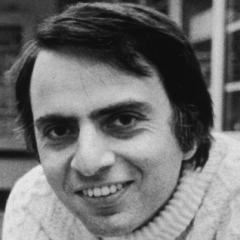
Carl Sagan
Carl Sagan

Carl Sagan was an American astronomer, cosmologist, author, and science communicator, born on November 9, 1934, in Brooklyn, New York. He is renowned for his profound research into the cosmos and his dedication to popularizing science. Sagan proposed numerous theories about the origin of the universe and life, and he made complex scientific knowledge accessible to the public with his unique perspective and clear, engaging writing style. more

You May Also Like

“مونږ ځانونه څومره غټ ګڼو. اوس خو هر یو کس څه نا څه بچ کوي. ' بوټي بچ کړئ، مچۍ بچ کړئ، ویل سمندري مایان بچ کړئ، سنیل چینجي بچ کړئ.' او تر ټولو زیات غرور خو يې په دې کې دې: زمکه بچ کړئ. مونږ ته خو دا هم نه دي معلوم چې د ځانونو خیال څنګه وساتو. د دا قسمه غ**و خو زه سم تنګ راغلې یم. زه د زمکې غ***ې ورځ Earth Day نه سم تنګ راغلې یم. زه دغه د چاپیریال ساتونکو نه ډیر تنګ راغلې چې ځان ورله ډیر نیک ښکاري، دغه سور پوستکي، منځ پوړي ازاد فکران چې سوچ کوي د دې هیواد یواځینۍ ستونزه دا ده چې دلته د سائیکلو لارې ډیرې نشته. دا خلک د خپلو Volvo موټرونو د پاره نړۍ خوندي ساتل غواړي. هسې هم دغه چاپیرل ساتنې غوښتونکې د زمکې سره هیڅ مینه نه لري. په فکر کې نا، نه يې لري. تاسو ته معلوم دې چې څه سره شوق لري؟ د اوسیدو د پاره یو پاک ځای. خپل استوګن ځای يې. دوئ ناکلاره دي چې په ائنده کې به یوه ورځ دوئ ته تکلیف ورسي. تنګ، په- فکر- تورو مفاداتو سره زه هیڅ شوق نه لرم. زمکې خو د دې نه زیات تکلیفونه تیر کړي. زلزلې، اوراباسونکي غرونه، د زمکې لاندې پتریو خوځیدنه، د براعظمونو بهیدنه، په لمر کې دننه د اور لمبې تیزیدنه، د لمر دننه ځینې ځایونو کې د اور مړیدینه، مقناطیسي توپانونه، د زمکې قطب او شمال برقي وضعې په بل مخ اوړیدنه .........لکونو زرګونو کلونو راهیسې په اسمان کې لمبوزنو شهاب ثاقب، لویو ډبرو او کاڼو په زمکه بمبارۍ، نړیوال سیلابونو، د سپوږمۍ د وجې جوړ شوي غټ سمندري موجونه، نړۍ کې ښور اورونه، د زمکې وروستیدنه او رالویدنه، اسماني شغلې، بیا بیا راتلونکې د واورې دورونه، ..... او مونږ سوچ کوو چې یو څو پلاستک بوجۍ او یو څو د الومینیم ډبي به ډیر فرق راولي؟ زمکه چیرې هم ځي. مونږ ترې روان یو مونږ! مونږ روان یو. یا خلکو! خپل غ* غوشایه مو تړئ. مونږ روان یو. او زمونږ به داسې خاص څه نخښې هم پاتې نشي. کیدې شي لږ د سټائروفوم پلاسټک نخښه به پا تې شي. زمکه به هم دلته وي او مونږ به ترې پخوا تلي یو. د تغیر خوړونکې یو بل ناکامه تجرباتي مخلوق په شان. یو بل حیاتیاتي غلطۍ په شان چې هیڅ ائنده نه لري. یوې بندې ارتقايي کوڅې په شان. دا زمکه به مونږ له خپل بدن نه داسې وڅنډوي لکه کوټک چې پریوځي. مونږ به ترې لاړ یو او دا زمکه به ډیر لوی، لوی او لوی وخت د پاره موجوده وي، او خپل بدن به پخپله روغ کړي، خپل ځان به سپا کړي، ځکه چې زمکه هم دغه شان کوي. زمکه داسې نظام لري چې ځان پخپله رغوي. دا هوا او دا اوبه به بیا روغې شي، زمکه به نوې شي. او که دا رښتیا وي چې پلاسټک په زمکه کې نه ماتیږې، نه وروستیږي او نه ختمیږي، نو په دې کې څه، زمکه به په اسانې سره دا د خپل نوي نظام برخه کړي: زمکه + پلاسټک. زمکه زمونږ په شان پلاسټک سره څه تعصب نه لري. پلاسټک خو د زمکې نه راغلې دې. کیدې شي زمکه پلاسټک ته هم هغسې ګوري لکه چې خپلو نورو بچو ته ګوري. کیدې شې زمکې زمونږ د پیدا کیدو اجازه هم ځکه ورکړې وه چې پلاسټک يې پکار و. خو د جوړولو چل نه ورتلو. نو مونږ ته يې حاجت شو. کیدې شي دا ځواب وي زمونږ د هغه ځان – غټ – ګڼونکي، ځان - خوښونکي فلسفیانه سوال چې دا دې: مونږ دلته ولې راغلي یو؟ ځواب يې پلاسټک دې ...... ک*****و!”

“Chet Zar will be the first person to tell you that he does not know what Dy5topia is. He also does not know where it is, how it came to be, or why it exists. At first glance, this may seem like an odd introduction to a field guide, yet perhaps it is the most apropos. This is exactly where Chet and I began, and so it seems fitting that you should also begin in the same place.”

“The Haunting ensures the current state of Dy5topia―a nightmarish world where terrified 'Creeple' nervously travel through an ever-changing, phantasmagorical land filled with Mutants, Robots, unDead, Specters, Beasts, Landscape-lifeforms, and Others. With these things in mind, consider yourself cordially invited to enter the regions of Chet Zar’s Dark Universe!”

“Dy5topia in the context of this book is a very real place, with very real 'inhabitants', but to understand Dy5topia you must first look closely at our world. Like the fisherman’s net that allows so much water to spill through, catching only the aquatic life, so too does Dy5topia collect only the fear of our world. Dy5topia is our dark reflection and a manifestation of our collective fears, and so its structure is created and maintained by our fear.”

“Acel gest simbolic de a o întrona pe Déesse Raison la Notre-Dame pare să fi însemnat pentru lumea apuseană ceva asemănător cu tăierea Stejarilor lui Wotan de către misionarii creştini, căci nici atunci, nici acum, fulgerul răzbunător nu i-a lovit pe nelegiuiţi. Este probabil mai mult decât o glumă a istoriei universale faptul că tocmai în acel moment şi tocmai un francez, Anquetil du Perron, se afla în India şi, la începutul secolului al XIX-lea, aducea acasă o traducere a Oupnek’hat, o culegere de cincizeci de Upanişade, care au permis pentru prima oară Occidentului să arunce o privire mai adâncă înăuntrul enigmaticului spirit al Orientului … Masa anonimă de oameni întunecaţi, care s-a adunat cu gânduri distrugătoare în Notre-Dame, s-a năpustit şi asupra individului, nimerindu-l şi pe Anquetil du Perron, în care a provocat un răspuns devenit istoric. De la el se trag Schopenhauer şi Nietzsche, de la el apare acea influenţă spirituală încă incalculabilă a Orientului.”

“Our senses are imperfect. We are very proud of our eyes.Often, someone will challenge, "Can you show me God?" But do you have the eyes to see God? You will never see if you haven' the eyes. If immediately the room becomes dark, you cannot even see your hands. So what power do you have to see? We cannot, therefore, expect knowledge (Vedas) with these imperfect senses. With all these deficiencies, in conditioned life, we cannot give perfect knowledge to anyone. Nor are we ourselves perfect. Therefore we accept the Vedas as they are.”