Quotessence
Home / Quotes / Quote by Philip James Bailey

Quote by Philip James Bailey

“We live in deeds not years In thoughts not breaths In feelings not figures on a dial. We should count time by heart throbs. He most lives who thinks most, feels noblest, acts the best.”

Quote by Philip James Bailey

Work

Festus: a poem

Festus: a poem is a literary composition that employs the art of poetry to delve into the character or concept of Festus, offering readers a reflective and expressive narrative. more
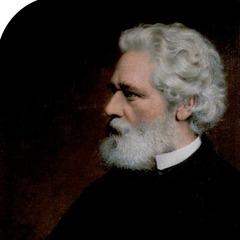
Author

Philip James Bailey
Philip James Bailey

Philip James Bailey (April 22, 1816 – September 6, 1902) was an English poet of the Victorian era, best known for his epic poem 'Festus'. Born in Nottingham, he studied law at the University of Glasgow but chose poetry over a legal career. 'Festus', published in 1839, is a philosophical and religious epic exploring themes of faith, love, and redemption, which gained considerable popularity and went through multiple editions. Influenced by Byron and Shelley, Bailey's work reflects Romantic idealism and Victorian moral concerns. Despite later works like 'The Angel World' and 'The Mystic', he never replicated the success of 'Festus'. He spent most of his life in Nottingham and Jersey, and died in relative obscurity. Today, he is remembered as a minor but notable figure in Victorian poetry. more

You May Also Like

“Queenie preps for the morning, simple enough. Two huge Crock-Pots of oatmeal, jars of jam, honey, and brown sugar. She cuts up fruit. In the morning, she'll scramble several dozen eggs and toast several loaves of bread. Baking it from scratch crosses her mind--- she's always loved the meditation of kneading dough--- but only momentarily. She has no way of knowing how many will show. Simple is best until she gets the hang of things. Lunch prep is even simpler. Sandwiches, PB&J, turkey, ham and cheese. She goes light on the mayo. It's hard to use jarred mayo, and even harder not to doctor it up with pesto or cranberry preserves. No arugula. No brie or caramelized onions. Simple, simple, simple. Between breakfast and lunch, she plans to put up a pot of vegetable soup, so she gets to work on the mise en place for that. Store-bought stock, at least for now. Again, until she gets the hang of things. Dinner is lasagna, easy enough to put together and prebake; lasagna is always better for being allowed to sit overnight in the fridge. She hopes she's made enough of everything; sending people home hungry doesn't just go against her mission statement, it goes against every chef nerve in her body. Not a chef. In this kitchen, never. She's a cook now. A soup kitchen cook making nutritious food for people in need. Her mission statement. Her balance.”

“There was something green between slices of soft bread. Otoha took a bite and sure enough the blend of cucumbers and butter leaped out into her mouth, with a simple, yet deep taste. "Mr. Kinoshita, this is really delicious! It's hard to believe the ingredients are that simple." "Thanks. I just sliced the cucumbers very thin and rubbed them with salt." Otoha tried the roast chicken sandwich next. "This is wonderful too. The chicken is so moist." "I simply added salt and pepper to the chicken breasts as I roasted them, and then a little French dressing before I put it in the sandwich." "They're all very simple flavors. You can really savor all the ingredients." "I think that's how things were back in those times. Plus, I don't think Montgomery, a pastor's wife, would like writing long descriptions of how food tasted." "That makes sense." On top of the flat plate of sandwiches was a small dish with green peas. Otoha tried them and found them softly boiled, with a taste of butter. "Those are green peas sautéed in butter. I finished them by adding a spoonful of sugar. Do you remember how, when they invited Mrs. Morgan to Green Gables, Anne added too much sugar and spoiled the peas?”