Quotessence
Home / Quotes / Quote by Richard Restak

Quote by Richard Restak

Work

Complete Guide to Memory: The Science of Strengthening Your Mind

Browse quotes and source details for this work. more

Author
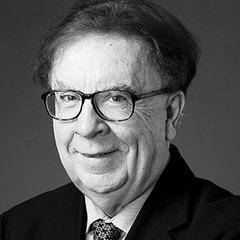
Richard Restak
Richard Restak

Richard Restak (born 1942) is an American neurologist, clinical neuroscientist, and bestselling author. He is renowned for his ability to translate complex neuroscience into accessible language for the general public. With over 20 books on the brain, including 'The Complete Guide to the Brain' and 'The Brain's Mysteries,' Restak has helped countless readers understand brain function, health, and disease. He is also a frequent media commentator and public speaker dedicated to promoting brain science education. more

You May Also Like

“About the author: Sean Michael Norris believes that this book serves as a sort of autobiography. Despite the fact that this story is a fictional product of his imagination, he feels that it represents a true portrait of his experience — that it honestly depicts how a younger, more vulnerable version of himself saw the world. And if he’s right about that, then to read this book is to learn about its author at a deeper level than any list of biographical facts could ever enable you to reach.”

“I realize now that being an unexpected reader has turned out to be the most valuable gift of my intellectual life. The fact that I was an unexpected reader—an interloper, in so many worlds—meant that I was very rarely in any assumed complicity with a writer or the world she created. It meant that I was almost always lost, and always foreign, and always had to make my way through with the only tool I had: continuing to read.”

“That’s the funny thing about stories — like all living things, they need to adapt and evolve in order to survive in their environment. Consider for a second that you can drop the same exact species into ten different ecosystems and within a few dozen generations, they could be hardly recognizable from their original form or to each other. The same is true for stories. They mutate to fit the cognitive conditions of each person’s specific mental habitat. That’s why a group of people can experience the same exact event, and within a decade or two, the story of that event can be wildly different as told by each person who experienced it.”

“تولی اسم هامفری را صفحهٔ اول همۀ کتاب‌ها نوشت، به این خیال که سال‌ها بعد غریبه‌ای کتاب را باز ‌کند و ‌ببیند رویش نوشته «هامفری اوستروپولر» و از خودش بپرسد این اسم از آنِ که بوده و چرا این کتاب را فروخته است. تولی فکر کرد آدم‌ها معمولاً کتاب‌هایشان را نگه می‌دارند، نه به این خاطر که شاید دوباره بخوانندشان، بلکه چون این اشیا حاوی گذشته‌اند، تار و پود خودشانند در یک مکان خاص، در یک زمان خاص؛ هر کتاب تکه‌ای از خرد فرد است، حالا چه کتاب را دوست داشته باشد، چه از آن خوشش نیامده باشد و فقط تا صفحۀ چهلمش پیش رفته باشد. ممکن است آدم‌ها توی سر خودشان به دام بیفتند، اما زندگی‌شان را صرف بیرون آمدن از آن اتاق دربسته می‌کنند. به همین خاطر هم بود که آدم‌ها بچه‌دار می‌شدند، وطن برایشان مهم می‌شد و بعد از یک سفر طولانی، هیچ‌چیز مثل تختخواب خودشان به آن‌ها نمی‌چسبید.”