“None of this means of course that Robert E. Lee wasn't influenced by his father, or didn't inherit some of his better characteristics. Like Henry Lee, Robert was tall, physically strong, a born horseman and soldier, and so courageous that even his own soldiers often begged him to get back out of range, in vain of course. He had his father's gift for the sudden flank attack that would throw the enemy off balance, and also his father's ability to inspire loyalty--and in Robert's case, virtual worship--in his men. On the other hand, perhaps because of Henry Lee's quarrels with Jefferson and Madison, Robert had an ingrained distrust of politics and politicians, including those of the Confederacy. But the most important trait that influenced Robert was a negative one: his father had been voluble, imprudent, fond of gossip, hot-tempered, and quick to attack anybody who offended or disagreed with him. With Henry Lee, even minor differences of opinions escalated quickly into public feuds. Robert was, or forced himself to be, exactly the opposite. He kept the firmest possible rein on his temper, he avoided personal confrontations of every kind, and he disliked arguments. These characteristics, normally thought of as virtues, became in fact Robert E. Lee's Achilles' heel, the one weak point in his otherwise admirable personality, and a dangerous flaw for a commander, perhaps even a flaw that would, in the end, prove fatal for the Confederacy. Some of the most mistaken military decisions in the short history of the Confederacy can be attributed to Lee's reluctance to confront a subordinate and have it out with him on the spot, face to face.”
Quote by Michael Korda
Work
Clouds of Glory: The Life and Legend of Robert E. Lee
Browse quotes and source details for this work. more
Author
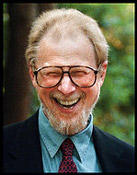
Michael Korda
Michael Korda, born on October 8, 1933, is an accomplished writer whose works span various literary genres, including novels, biographies, and historical books. Korda is known for his profound insights into historical figures and his unique perspective on literary arts. more
You May Also Like
Source: Full Retard: The Dumbest Just Got Dumber
Source: The End of the Myth: From the Frontier to the Border Wall in the Mind of America
Source: Agency
“A writer is never alone, he is always with himself”
Source: Pearls Of Eternity
Source: The Cruelty Is the Point: The Past, Present, and Future of Trump's America
Source: How the Word Is Passed: A Reckoning with the History of Slavery Across America
Source: Belonging: The Science of Creating Connection and Bridging Divides - Library Edition