“Are all perpetrators alike? No; not everyone feels the need to reduce dissonance by denigrating the victim. Who do you imagine would be most likely to blame the victim: perpetrators who think highly of themselves and have strong feelings of self-worth, or those who are insecure and have low self-worth? Dissonance theory makes the nonobvious prediction that it will be the former. For people who have low self-esteem, treating others badly or going along mindlessly with what others tell them to do is not terribly dissonant with their self-concept. Moreover, they are more likely to be self-deprecating and modest, because they don't think they are especially wonderful. It is the people who think the most of themselves who, if they cause someone pain, must convince themselves the other guy is a rat. Because terrific guys like me don't hurt innocent people, that guy must deserve every nasty thing I did to him. An experiment by David Glass confirmed this prediction: The higher the perpetrators' self-esteem, the greater their denigration of their victims. Are all victims alike in the eyes of the perpetrator? No; they differ in their degree of helplessness. Suppose you are a marine in a hand-to-hand struggle with an armed enemy soldier. You kill him. Do you feel much dissonance? Probably not. The experience may be unpleasant, but it does not generate dissonance and needs no additional justification: "It was him or me ... I killed an enemy ... We are in this to win ... I have no choice here." But now suppose that you are on a mission to firebomb a house that you were told contains enemy troops. You and your team destroy the place, and then discover you have blown up a household of old men, children, and women. Under these circumstances, most soldiers will try to find additional self-justifications to reduce the dissonance they feel about killing innocent civilians, and the leading one will be to denigrate and dehumanize their victims: "Stupid jerks, they shouldn't have been there ... they were probably aiding the enemy ... All those people are vermin, gooks, subhuman." Or, as General William Westmoreland famously said of the high number of civilian casualties during the Vietnam War, "The Oriental doesn't put the same high price on life as does a Westerner. Life is plentiful. Life is cheap in the Orient.”
Quote by Carol Tavris
Work
Mistakes Were Made (But Not by Me): Why We Justify Foolish Beliefs, Bad Decisions, and Hurtful Acts
Mistakes Were Made (But Not by Me) delves into the human tendency to rationalize errors and undesirable behaviors. The book examines various psychological phenomena that contribute to this justification, offering insights into why people may cling to foolish beliefs and make poor decisions despite evidence to the contrary. more
Author
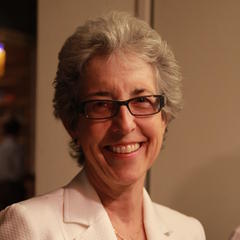
Carol Tavris
Carol Tavris is a renowned psychologist, born on September 17, 1944. Her research focuses on psychology, cognitive psychology, and critical thinking. Tavris is known for her profound insights into psychology and her extensive influence on public cognition. more
You May Also Like
Source: Mistakes Were Made (But Not by Me): Why We Justify Foolish Beliefs, Bad Decisions, and Hurtful Acts
“Personally I take more satisfaction in understanding people than in passing judgement on them.”
Source: Chess Story
“If you deny your shadow it becomes your tyrant.”
Source: The Swallows of Lunetto
Source: Monsters in My Mind
Source: Kill the Boy Band
Source: Embracing Unrest: Harness Vulnerability to Tame Anxiety and Spark Growth