Quotessence
Home / Quotes / Quote by Brian Jacques

Quote by Brian Jacques

“Quick as a flash, Sawney Rath's eyes hardened. "Then I'm ordering you to skin Felch alive!" He took the otter's paw, closing it over the knife handle. "Obey me!" The crowded clearing became as silent as a tomb. All eyes were upon the Taggerung, awaiting his reaction to the order. Tagg turned his back on Sawney and strode to the side of the fox strung up to the beech bough. He raised the blade. Felch shut his eyes tight, his head shaking back and forth as his nerves quivered uncontrollably. With a sudden slash Tagg severed the thongs that bound him. Felch slumped to the ground in a shaking heap. Tagg's voice was flat and hard as he turned to face Sawney. "I'm sorry to disobey your order. The fox is a sorry thief, but I will not take the life of a helpless beast.”

Quote by Brian Jacques

Work

Taggerung

Taggerung is a novel that immerses readers in a richly detailed fantasy universe, where the young hero embarks on a quest filled with danger, magic, and discovery. The story unfolds in a world where mythical creatures and ancient magic are woven into the fabric of everyday life, and the protagonist must navigate this complex landscape to achieve their goals. more

Author
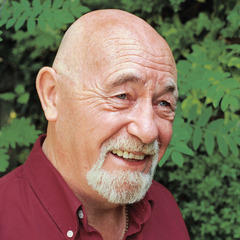
Brian Jacques
Brian Jacques

Brian Jacques was a British writer known for his children's literature. His works feature animal protagonists and blend adventure, fantasy, and humor, enjoying great popularity among readers of all ages. more

You May Also Like

“Proximity has taught me some basic and humbling truths, including this vital lesson: Each of us is more than the worst thing we've ever done. My work with the poor and the incarcerated has persuaded me that the opposite of poverty is not wealth; the opposite of poverty is justice. Finally, I've come to believe that the true measure of our commitment to justice, the character of our society, our commitment to the rule of law, fairness, and equality cannot be measured by how we treat the rich, the powerful, the privileged, and the respected among us. The true measure of our character is how we treat the poor, the disfavored, the accused, the incarcerated, and the condemned. We are all implicated when we allow other people to be mistreated. An absence of compassion can corrupt the decency of a community, a state, a nation. Fear and anger can make us vindictive and abusive, unjust and unfair, until we all suffer from the absence of mercy and we condemn ourselves as much as we victimize others. The closer we get to mass incarceration and extreme levels of punishment, the more I believe it's necessary to recognize that we all need mercy, we all need justice, and - perhaps - we all need some measure of unmerited grace.”

“So many of us have become afraid and angry. We’ve become so fearful and vengeful that we’ve thrown away children, discarded the disabled, and sanctioned the imprisonment of the sick and the weak—not because they are a threat to public safety or beyond rehabilitation but because we think it makes us seem tough, less broken. I thought of the victims of violent crime and the survivors of murdered loved ones, and how we’ve pressured them to recycle their pain and anguish and give it back to the offenders we prosecute. I thought of the many ways we’ve legalized vengeful and cruel punishments, how we’ve allowed our victimization to justify the victimization of others. We’ve submitted to the harsh instinct to crush those among us whose brokenness is most visible. But simply punishing the broken--walking away from them or hiding them from sight--only ensures that they remain broken and we do, too. There is no wholeness outside of our reciprocal humanity.”