Quotessence
Home / Quotes / Quote by Jane Austen

Quote by Jane Austen

“Luck which so often defies anticipation in matrimonial affairs, giving attraction to what is moderate rather than to what is superior.”

Quote by Jane Austen

Book:Emma

Work

Emma

Emma, written by Jane Austen, is a satirical novel that explores themes of social status, romance, and the complexities of human relationships. The narrative follows the protagonist, Emma Woodhouse, a wealthy and somewhat naive young woman who becomes involved in the romantic entanglements of those around her. Through her meddlesome attempts to matchmake, Emma learns valuable lessons about herself and the society in which she lives. more
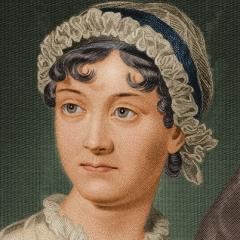
Author

Jane Austen
Jane Austen

Jane Austen, born on December 16, 1775, and died on July 18, 1817, was a renowned English novelist of the 19th century. Known for her exquisite psychological portrayals and satirical humor, Austen's works mainly revolve around rural life in England, depicting the customs and interpersonal relationships of the time. Her representative works include 'Pride and Prejudice' and 'Sense and Sensibility'. more

You May Also Like

“May she wake in torment!" he cried, with frightful vehemence, stamping his foot, and groaning in a sudden paroxysm of ungovernable passion. "Why, she's a liar to the end! Where is she? Not there—not in heaven—not perished—where? Oh! you said you cared nothing for my sufferings! And I pray one prayer—I repeat it till my tongue stiffens—May she wake in torment!" he cried, with frightful vehemence, stamping his foot, and groaning in a sudden paroxysm of ungovernable passion. "Why, she's a liar to the end! Where is she? Not there—not in heaven—not perished—where? Oh! you said you cared nothing for my sufferings! And I pray one prayer—I repeat it till my tongue stiffens—Catherine Earnshaw, may you not rest as long as I am living; you said I killed you—haunt me, then! The murdered do haunt their murderers, I believe. I know that ghosts have wandered on earth. Be with me always—take any form—drive me mad! only do not leave me in this abyss, where I cannot find you! Oh, God! it is unutterable! I cannot live without my life! I cannot live without my soul!”

“Things were different back then. Today if a woman was asked to do the things we did back then, she would revolt, declare that she wasn’t anyone’s slave, wouldn’t be put upon in that fashion. But you have to remember that this was before automatic washers and dishwashers, before blenders and electric knives. If the carpet was going to get cleaned, someone, usually a woman, would have to take a broom to it, or would have to haul it on her shoulders to the yard and beat the dirt out of it. If the wet clothes were going to get dry, someone had to hang them in the yard, take them down from the yard, heat the iron on the fire, press them, and finally fold or hang them. Food was chopped by hand, fires were stoked by hand, water was carried by hand, anything roasted, toasted, broiled, dried, beaten, pressed, packed, or pickled, was done so by hand. Our version of a laborsaving device was called a spouse. If a man had a woman by his side, he didn’t have to clean and cook for himself. If a woman had a man by her side, she didn’t have to go out, earn a living, then come home and wrestle the house to the ground in the evening.”

“All the tiny things made this mammoth union up, all the times he had picked her up from Sutherland station, made her chicken salad rolls and brought her a Lipton's iced tea, called her about Sunday and fixed Nina's shed door hinge, held her and not fucked her when she was dying with period pain, thought of what she said last night and made something of it the following afternoon, all these unspectacular deposits of love he had made and they were the currency, earning enough to have her see that he was nothing but the right one.”