“Persons who are visited by the Angel quiver with a thrill unknown to the rest of mankind. And they cannot touch an instrument or open their mouths to sing, without producing sounds that put all other human sounds to shame.”
Quote by Gaston Leroux
Work
The Phantom of the Opera
This novel, originally published in 1910, tells the story of a disfigured musical genius who lives in the catacombs beneath the Paris Opera House. He falls in love with a young soprano, Christine Daaé, and becomes obsessed with her. The novel explores themes of love, obsession, and the human desire for beauty and perfection. more
Author
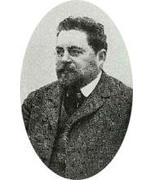
Gaston Leroux
Gaston Leroux (1868–1927) was a French journalist, novelist, and playwright, best known for writing the gothic thriller "The Phantom of the Opera" published in 1910. Beginning his career as a court reporter and theater critic, he later devoted himself to fiction, producing over 40 novels. "The Phantom of the Opera" became his most enduring work, captivating readers with its mysterious atmosphere and romantic tension. In addition to this masterpiece, he authored "The Mystery of the Yellow Room," considered one of the first locked-room mysteries. Leroux's storytelling skill and vivid imagination significantly influenced the development of detective and horror fiction. His works have been adapted countless times for stage, film, and television, making him one of the most widely read French authors of the early 20th century. He died in Nice on April 15, 1927. more
You May Also Like
Source: Island Flirtations
Source: Sabbath Time: a hermitage journey of retreat, return & communion
Source: For Your Own Good: Hidden Cruelty in Child-Rearing and the Roots of Violence
Source: The Lake
Source: Inward and Toward
Source: A Haunted History of Invisible Women: True Stories of America's Ghosts
“The only difference between a grown-up's mistake and a child's is the size of the consequence.”
Source: Doing My Part
Source: Julius Caesar
Source: Antony and Cleopatra