“Being born a woman is my awful tragedy. From the moment I was conceived I was doomed to sprout breasts and ovaries rather than penis and scrotum; to have my whole circle of action, thought and feeling rigidly circumscribed by my inescapable feminity. Yes, my consuming desire to mingle with road crews, sailors and soldiers, bar room regulars--to be a part of a scene, anonymous, listening, recording--all is spoiled by the fact that I am a girl, a female always in danger of assault and battery. My consuming interest in men and their lives is often misconstrued as a desire to seduce them, or as an invitation to intimacy. Yet, God, I want to talk to everybody I can as deeply as I can. I want to be able to sleep in an open field, to travel west, to walk freely at night...”
Quote by Sylvia Plath
Work
The Unabridged Journals of Sylvia Plath
This book presents the extensive and unedited journals of Sylvia Plath, offering a candid and intimate look into her thoughts, experiences, and creative process throughout her life. more
Author
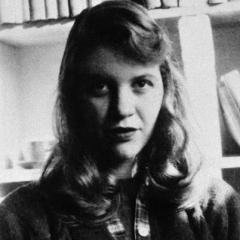
Sylvia Plath
American poet, novelist, and playwright. Her works are known for their profound emotion and unique style, and she is considered one of the most important female writers of the 20th century. more
You May Also Like
Source: How to Be a Woman
Source: Lessons in Chemistry
Source: Invisible Women: Data Bias in a World Designed for Men
“The secret of happiness is not doing what we like but in liking what we do.”
“Of all creatures that can feel and think, we women are the worst treated things alive”
Source: Medea
Source: My Life on the Road
Source: I Know Why the Caged Bird Sings
Source: My Life on the Road