Quotessence
Home / Authors / Alan Chambers
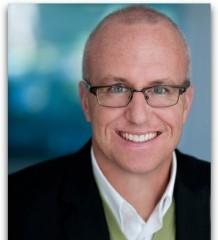
Alan Chambers

Alan Chambers Quotes

Exodus International

Filter quotes by topic

Famous Alan Chambers Quotes

“Exodus is a very large organization. My board of directors is supportive of me as the president of Exodus and are very much involved in my decision-making and those types of things. They're a wonderful and balanced group of people and I'm grateful for their support. Within the membership we have 270 or so members within the network of Exodus whether that's a local member ministry, a counselor or one of our members of our church association.”

“Well, I find it interesting first that this all centers around the issue of homosexuality and we don't bring in any other sin issue into the picture - the ones that are running rampant within our churches largely go unaddressed. Issues of pride and judgment and gossip and slander and other types of sexual immorality, gluttony, you name it.”

“You know my issue isn't whether gay people go to heaven or straight people go to heaven. The point that I'm trying to make is that we as believers can have security in Christ when we are believers. We will all struggle, we will all fall prey to some type of sin, some will fall prey to the same types of sin over and over again. I don't differentiate between this one sin struggle than any other.”

“Now on to reparative therapy, I think counseling is a wonderful tool for anybody regardless of what struggle they bring to the table. I think we can all use a little bit of counseling on planet earth today. But when it comes to reparative therapy, the reason we have distanced ourselves from it is because some of the things that they employ and some of the messages that I've heard from reparative therapists with regards to what someone can expect once they get through that type of therapy.”

“For someone to promise a percentage type cure for this issue, for instance I had someone who said they had experienced a 90 percent permanent - in all caps PERMANENT - reduction of their same-sex attraction. How can we quantify that? How can you even know that that's what you have experienced? And what if at some point you fall to 85 percent or 70 percent? That, I think, sets people up for unrealistic expectations and is something that I'm not willing to offer when we're sharing these types of messages or presenting what was presented to me.”