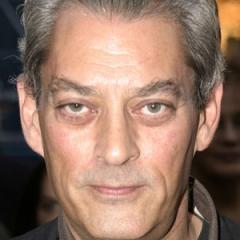
Paul Auster
Paul Auster is an American author known for his unique narrative style and philosophical reflections. His works often explore themes of identity, memory, and reality, and have won him a wide audience.
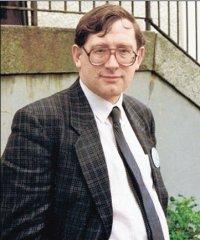
Paul Auster is an American author known for his unique narrative style and philosophical reflections. His works often explore themes of identity, memory, and reality, and have won him a wide audience.
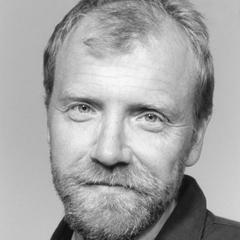
George Saunders, born on December 2, 1958, is an American writer known for his unique humor and profound insights. His works, primarily short stories, have gained widespread recognition and have been honored with numerous literary awards, including the Pulitzer Prize.
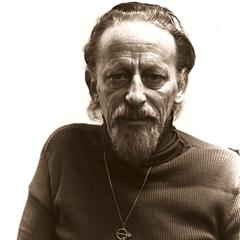
Theodore Sturgeon (February 26, 1918 – May 8, 1985) was an American science fiction writer and short story master, known for his unique narrative style and profound humanistic concerns. Born in Staten Island, New York, as Edward Hamilton Waldo, he later adopted his stepfather's surname. Active from the 1940s to the 1970s, Sturgeon wrote classic stories like 'Microcosmic God' and 'More Than Human,' and coined 'Sturgeon's Law'—'90% of science fiction is crud, but then 90% of everything is crud.' His works explored human nature, emotion, and social margins, deeply influencing later SF. He won Hugo and Nebula Awards and is often called 'the Shakespeare of science fiction.'
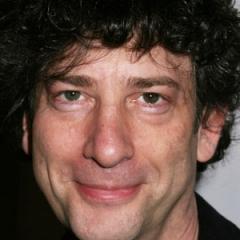
Neil Gaiman, born on November 10, 1960, is a renowned British author. His works span across various genres including fantasy, horror, and science fiction, with notable titles such as 'American Gods' and 'Good Omens'. Gaiman's writing style is distinctive and has won him a dedicated fan base.
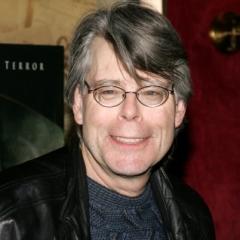
Stephen King, born on September 21, 1947, is a renowned American author. His works primarily focus on horror, fantasy, and science fiction, and have won him a wide audience. King has received numerous literary awards in the United States, including the Edgar Allan Poe Award and the World Fantasy Award.
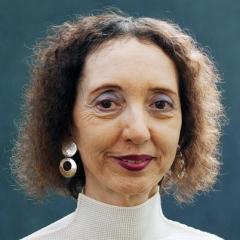
Joyce Carol Oates is a renowned American author born on June 16, 1938. Her works span various literary forms such as novels, poetry, and drama, known for her unique narrative techniques and profound thematic explorations.
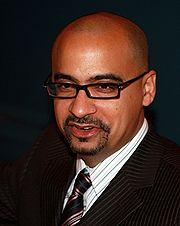
Junot Díaz is a renowned American writer known for his magical realism style and profound social commentary. His works often focus on the lives of Dominican and Puerto Rican immigrants in the United States, particularly the roles of women in these communities. Díaz's debut novel, 'Drown,' won the National Book Award, and his second novel, 'The Brief Wondrous Life of Oscar Wao,' earned the Pulitzer Prize for Fiction.
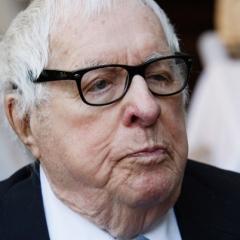
Ray Bradbury, born on August 22, 1920, and died on June 5, 2012, was an influential American science fiction writer, playwright, and poet. His works are known for their unique imagination and profound philosophical insights, which have had a profound impact on the science fiction genre.
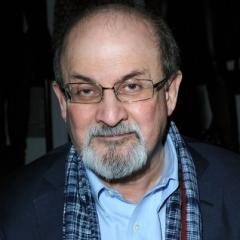
Salman Rushdie (born June 19, 1947) is a British-Indian novelist and essayist. Known for his magical realism style, his novel Midnight's Children won the Booker Prize in 1981. His works often explore themes of cultural conflict, religion, and politics. In 1988, his novel The Satanic Verses sparked global controversy, leading to a fatwa issued by Iran's Ayatollah Khomeini calling for his assassination. Rushdie spent years in hiding under police protection. He remains a prominent voice in contemporary English literature, celebrated for his literary innovation and defense of free expression.
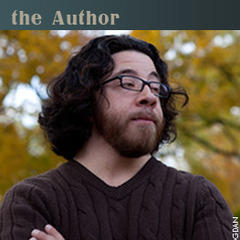
Saladin Ahmed is an American fiction writer known for his deep insight into Middle Eastern culture and his unique narrative style. His works blend elements of history, fantasy, and science fiction, winning him a wide readership.