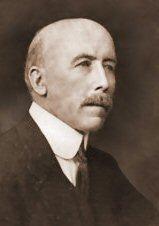
“The history of the Bible text is a romance of literature, though it is a romance of which the consequences are of vital import; and thanks to the succession of discoveries which have been made of late years, we know more about it than of the history of any other ancient book in the world.” KnowsWorldYearsHas BeensMadeBookRomanceLiteratureLateDiscoveryConsequenceAncientThanksSuccessionImports Author:Frederic G. Kenyon
“Seldom can two such epoch-making events have occurred in successive years as happened then. In 1453 the Turks stormed Constantinople and finally destroyed the Greek Empire, driving out Greek scholars, who carried the knowledge of Greek language and literature to the western world; and in 1454 the first document known to us appeared from the printing press at Mainz.” WorldYearsFirstsTwoLiteratureLanguageKnownHappenedEventsPressesWesternDrivingDestroyedGreekEmpiresScholarDocumentsPrintingWestern WorldEpochPrinting PressConstantinople Author:Frederic G. Kenyon
“The apostles were scattered, and even the leaders of the Church in Jerusalem had neither the power nor the means to impose uniformity.In these circumstances, we must imagine the literature of Christianity as spreading gradually, irregularly, and in a manner which variations inevitable.” MeanLiteratureChurchLeaderChristianityImagineCircumstancesInevitableVariationApostlesJerusalemUniformity Author:Frederic G. Kenyon
“The Gospels were not thought of as works of literature. People were not concerned with the literary reputation of Matthew or Mark, but with the substance of their records of our Lord's life. They did not have to respect their actual words, as they would if they were transcribing the works of Thucydides or Plato.” PeopleIfsLiteratureLordRecordsConcernedMarkReputationSubstancePlatoOur LordMatthewTranscribing Author:Frederic G. Kenyon