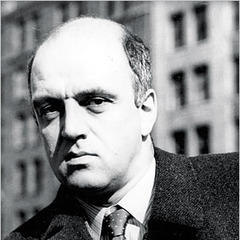
“Among those today who believe that modern poetry must do without rhyme or metre, there is an assumption that the alternative to free verse is a crash course in villanelles, sestinas and other such fixed forms. But most... are rare in English poetry. Few poets have written a villanelle worth reading, or indeed regret not having done so.” BelieveDoneTodayFormCoursesReadingWrittenModernPoetRegretAlternativesFixedAssumptionVersesCrashRhymeWorth ReadingFree VerseModern PoetryEnglish Poetry Author:James Fenton
“A glance at the history of European poetry is enough to inform us that rhyme itself is not indispensable. Latin poetry in the classical age had no use for it, and the kind of Latin poetry that does rhyme - as for instance the medieval Carmina Burana - tends to be somewhat crude stuff in comparison with the classical verse that doesn't.” KindDoeEnoughUseAgeStuffInstanceComparisonPoetry IsLatinVersesRhymeIndispensableGlancesMedievalCrude Author:James Fenton
“Modernism in other arts brought extreme difficulty. In poetry, the characteristic difficulty imported under the name of modernism was obscurity. But obscurity could just as easily be a quality of metrical as of free verse.” ArtNamesQualityDifficultyExtremesCharacteristicsVersesObscurityModernismFree Verse Author:James Fenton
“The voice is raised, and that is where poetry begins. And even today, in the prolonged aftermath of modernism, in places where "open form" or free verse is the orthodoxy, you will find a memory of that raising of the voice in the term "heightened speech".” TodayFormVoiceTermMemoriesSpeechRaisedVersesOrthodoxyModernismAftermathFree Verse Author:James Fenton
“Free verse seemed democratic because it offered freedom of access to writers. And those who disdained free verse would always be open to accusations of elitism, mandarinism. Open form was like common ground on which all might graze their cattle - it was not to be closed in by usurping landlords.” MightFormCommonDemocraticAccessVersesCattleAccusationCommon GroundElitismLandlordFree Verse Author:James Fenton
“At four lines, with the quatrain, we reach the basic stanza form familiar from a whole range of English poetic practice. This is the length of the ballad stanza, the verse of a hymn, and innumerable other kinds of verse.” KindWholeFormLinesPracticeFourFamiliarRangeLengthPoeticVersesHymnsBallads Author:James Fenton