Source: The Origin of Consciousness in the Breakdown of the Bicameral Mind
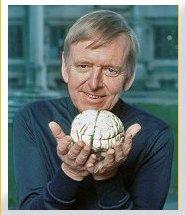
Filter quotes by topic
Famous Julian Jaynes Quotes
Source: The Origin of Consciousness in the Breakdown of the Bicameral Mind
Source: The Origin of Consciousness in the Breakdown of the Bicameral Mind
Source: The Origin of Consciousness in the Breakdown of the Bicameral Mind
“Every god is a jealous god after the breakdown of the bicameral mind.”
Source: The Origin of Consciousness in the Breakdown of the Bicameral Mind
“The vestiges of the bicameral mind do not exist in any empty psychological space.”
Source: The Origin of Consciousness in the Breakdown of the Bicameral Mind
“I shall state my thesis plain. The first poets were gods. Poetry began with the bicameral mind.”
Source: The Origin of Consciousness in the Breakdown of the Bicameral Mind
Source: The Origin of Consciousness in the Breakdown of the Bicameral Mind
Source: The Origin of Consciousness in the Breakdown of the Bicameral Mind
Source: The Origin of Consciousness in the Breakdown of the Bicameral Mind
Source: The Origin of Consciousness in the Breakdown of the Bicameral Mind