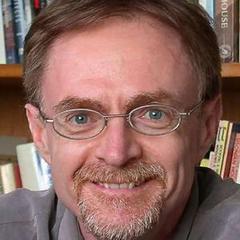
“Surveying the available alternative energy sources for criteria such as energy density, environmental impacts, reliance on depleting raw materials, intermittency versus constancy of supply, and the percentage of energy returned on the energy invested in energy production, none currently appears capable of perpetuating this kind of society.” KindEnergyMaterialsSourceCapableImpactEnvironmentalProductionsAvailableOilAlternativesVersusReliancePercentagesCriteriaRaw MaterialsConstancyDensityEnergy SourcesPerpetuatingAlternative EnergyPeak OilEnvironmental ImpactEnergy Production Author:Richard Heinberg
“The industrial civilisation is based on the consumption of energy resources that are inherently limited in quantity and that are about to become scarce. When they do, competition for what remains will trigger dramatic economic and geopolitical events; in the end, it may be impossible for even a single nation to sustain industrialism as we have know it in the twentieth century.” KnowsMayEndsEnergyNationsImpossibleEconomicCenturyEventsResourcesRemainsCompetitionEnvironmentalDramaticQuantityConsumptionTwentieth CenturyTriggersCivilisationScarceGeopolitical Book:The Party's Over: Oil, War and the Fate of Industrial Societies Source: The Party's Over: Oil, War and the Fate of Industrial Societies
“When a caterpillar eats a leaf, then a thrush eats the caterpillar, or when a hawk eats the thrush only 5 to 20% of usable energy is transferred from one level to the next. ... Thus herbivores will account for a much smaller fraction of the biomass [than plants] and the carnivores for a still smaller fraction.” StillsNextEnergyLevelsAccountsPlantEnvironmentalLeafsFractionsHawksCaterpillarsCarnivoresThrushBiomass Author:Richard Heinberg
“Early ecologists soon realised that, since humans are organisms, ecology should include the study of the relationship between humans and the rest of the biosphere. ... We don't often tend to think about the social sciences (history, economics and politics) as subcategories of ecology. But since people are organisms, it is apparent that we must first understand the principles of ecology if we are to make sense of the events in the human world.” PeopleIfsThinkingWorldShouldFirstsHumansSocialPrinciplesStudyEventsEconomicsEnvironmentalMake SenseOrganismsEcologyRealisedSocial ScienceBiosphere Author:Richard Heinberg
“We are about to enter a new era in which, each year, less net energy will be available to humankind, regardless of our efforts or choices. The only significant choice we will have will be how we adjust to this new regime. That choice - not whether, but how to reduce energy usage and make a transition to renewable alternatives - will have profound ethical and political ramifications.” YearsPoliticalChoicesEnergyEffortProfoundEnvironmentalAvailableSignificantAlternativesErasEthicalTransitionRegimesHumankindUsageNew EraRamifications Book:The Party's Over: Oil, War and the Fate of Industrial Societies Source: The Party's Over: Oil, War and the Fate of Industrial Societies