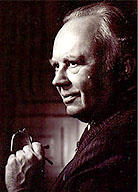
“The aim of great books is ethical: to teach what it means to be a man. Every major form of literary art has taken for its deeper themes what T.S. Eliot called "the permanent things"-the norms of human action.” MenHumansMeanArtBookActionFormTeachTakenMajorsAimDeeperPermanentThemeEthicalNormBe A ManGreat BookHuman ActionsEliotLiterary ArtPermanent Things Author:Russell Kirk
“Ordinary human laws are the means - however imperfect - by which we express our understanding of the enduring moral law.” HumansMeanLawUnderstandingMoralOrdinaryEndureImperfectMoral Law Book:The Roots of American Order Source: The Roots of American Order
“Real literature is something much better than a harmless instrument for getting through idle hours. The purpose of great literature is to help us to develop into full human beings.” HumansRealHelpingPurposeLiteratureHoursHuman BeingsInstrumentsIdleGreat Literature Author:Russell Kirk
“The conservative "thinks of political policies as intended to preserve order, justice, and freedom. The ideologue, on the contrary, thinks of politics as a revolutionary instrument for transforming society and even transforming human nature. In his march toward Utopia, the ideologue is merciless.” ThinkingHumansPoliticalOrderJusticeHuman NaturePolicyInstrumentsConservativeContraryPreservesRevolutionaryMarchTransformingUtopiaIdeologuesTransforming Society Book:The Politics of Prudence Source: The Politics of Prudence
“To check centralization and usurping of power ... we require a new laissez-faire. The old laissez-faire was founded upon a misapprehension of human nature, an exultation of individuality (in private character often a virtue) to the condition of a political dogma, which destroyed the spirit of community and reduced men to so many equipollent atoms of humanity, without sense of brotherhood or purpose.” MenHumansCharacterPoliticalSpiritPurposeHumanityCommunityVirtueConditionsHuman NatureIndividualityConservativeChecksDestroyedAtomsBrotherhoodDogmaLaissez FaireCentralization Book:The Conservative Mind: From Burke to Eliot Source: The Conservative Mind: From Burke to Eliot