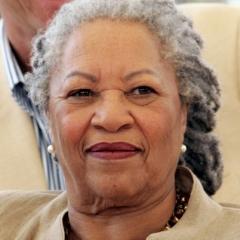
“I am convinced that the language that has the most force, requires the most acumen, talent, grace, genius, and, yes, beauty, can never be, will never again be found in paeans to the glory of war, or erotic rallying cries to battle. The power of this alternate language does not arise from the tiresome, wasteful art of war, but rather from the demanding, brilliant art of peace.” WarLanguagePeace Author:Toni Morrison
“A dead language is not only one no longer spoken or written, it is unyielding language content to admire its own paralysis. Like statist language, censored and censoring. Ruthless in its policing duties, it has no desire or purpose other than maintaining the free range of its own narcotic narcissism, its own exclusivity and dominance. However moribund, it is not without effect for it actively thwarts the intellect, stalls conscience, suppresses human potential. Unreceptive to interrogation, it cannot form or tolerate new ideas, shape other thoughts, tell another story, fill baffling silences.” HumansIdeasStoriesFormDesirePurposeLanguageSilenceWrittenEffectsDutyShapesConscienceIntellectAdmireRangeTolerateNarcissismNew IdeasMaintainingRuthlessDominanceParalysisHuman PotentialNarcoticsInterrogationCensoredCensoringUnyieldingExclusivity Author:Toni Morrison
“It's always seemed to me that black people's grace has been with what they do with language. In Lorrain, Ohio, when I was a child, I went to school with and heard the stories of Mexicans, Italians, and Greeks, and I listened. I remember their language, and a lot of it is marvelous. But when I think of things my mother or father or aunts used to say, it seems the most absolutely striking thing in the world.” PeopleThinkingWorldChildrenHas BeensStoriesSeemsSchoolRememberUsedMotherFatherLanguageBlackGraceHeardGreekBlack PeopleMarvelousAuntOhio Author:Toni Morrison
“Sexist language, racist language, theistic language - all are typical of the policing languages of mastery, and cannot, do not, permit new knowledge or encourage the mutual exchange of ideas.” IdeasLanguageRacismRacistMutualSexismPermitMasteryTypicalSexistNew Knowledge Author:Toni Morrison
“The language must be careful and must appear effortless. It must not sweat. It must suggest and be provocative at the same time.” LanguageCarefulSweatBe CarefulProvocativeEffortless Book:Conversations with Toni Morrison Source: Conversations with Toni Morrison
“Language can never 'pin down' slavery, genocide, war. Nor should it yearn for the arrogance to be able to do so. Its force, its felicity, is in its reach toward the ineffable.” ShouldWarAbleLanguageForceSlaveryArroganceGenocidePinsFelicityIneffable Author:Toni Morrison
“This word "LOVE" - discredited, "clicheed" - can be restored and love, the instinct, the impulse to care for somebody in the hope that somebody will care for you - plus our language, the language, a language - is about all we have. With everything else going on, this is what makes us, what keeps us human.” HumansCareLanguageAnd LoveInstinctImpulsePlusWords LoveCare For You Author:Toni Morrison
“We're all surrounded by what I call faux language, fake language of commerce, of news media.” LanguageMediaNewsFakeCommerceNews MediaFaux Author:Toni Morrison
“I'm a writer in the world. I translate the confusion that I might feel, the dread that I know I feel, moving towards some other place, moving away from puny language, from all that dread into some other kind of language.” KnowsWorldFeelsKindMightMovingLanguageConfusionDreadTranslateMoving Away Author:Toni Morrison
“I have difficulties with contemporary language. Big difficulties. I counted, you know, something like 160 words have disappeared from the English language because of the use of the word "like." "I'm like, he's like" - not "thought," not "as if ."” IfsKnowsUseBigsLanguageDifficultyContemporaryEnglish Language Author:Toni Morrison
“Maybe [I care about language] because I'm an editor, maybe because I'm picky, but it's all we got, don't shrink it. Don't dumb it out, make it little.” LittlesCareLanguageDumbEditorsI CareShrinksPicky Author:Toni Morrison
“We die. That may be the meaning of life. But we do language. That may be the measure of our lives.” MayDiesLanguageOur LivesCommunicationMeaning Of LifeCulture And LanguageLanguage Culture Author:Toni Morrison
“Oppressive language does more than represent violence; it is violence; does more than represent the limits of knowledge; it limits knowledge.” DoeLanguageBlackViolenceLimits Author:Toni Morrison
“The theme you choose may change or simply elude you, but being your own story means you can always choose the tone. It also means that you can invent the language to say who are you and what you mean.” InspirationalMayMeanStoriesLanguageToneThemeYou ChooseEludeElude You Author:Toni Morrison
“What do you say? There really are no words for that. There really aren't. Somebody tries to say, 'I'm sorry, I'm so sorry.' People say that to me. There's no language for it. Sorry doesn't do it. I think you should just hug people and mop their floor or something.” PeopleThinkingShouldTryingLanguageGriefSorryHugI'm SorryI'm So Sorry Author:Toni Morrison
“It's important, therefore, to know who the real enemy is, and to know the function, the very serious function of racism, which is distraction. It keeps you from doing your work. It keeps you explaining over and over again, your reason for being. Somebody says you have no language and so you spend 20 years proving that you do. Somebody says your head isn't shaped properly so you have scientists working on the fact that it is. Someone says you have no art so you dredge that up. Somebody says you have no kingdoms and so you dredge that up. None of that is necessary. There will always be one more thing.” YearsArtReasonFactsLanguageSeriousProveRacismScientistFunctionTwentiesKingdomsWorking ItDistractionExplaining Author:Toni Morrison
“Word-work is sublime... because it is generative; it makes meaning that secures our difference, our human difference-the way in which we are like no other life. We die. That may be the meaning of life. But we do language. That may be the measure of our lives.” WayHumansMayDiesLanguageDifferencesOur LivesMeaning Of LifeSublime Author:Toni Morrison
“Language alone protects us from the scariness of things with no names. Language alone is meditation.” NamesLanguageMeditationProtect Author:Toni Morrison
“She is convinced that when language dies, out of carelessness, disuse, indifference and absence of esteem, or killed by fiat, not only she herself, but all users and makers are accountable for its demise. In her country children have bitten their tongues off and use bullets instead to iterate the voice of speechlessness, of disabled and disabling language, of language adults have abandoned altogether as a device for grappling with meaning, providing guidance, or expressing love.” LoveChildrenCountryUseAgeDiesLanguageVoiceAdultsTongueConvincedAbsenceEsteemIndifferenceGuidanceDevicesMakersAbandonedUsersProvidingBulletsDisabledDemiseCarelessnessGrapplingExpressing Love Author:Toni Morrison
“The vitality of language lies in its ability to limn the actual, imagined and possible lives of its speakers, readers, writers.” LyingLanguageAbilityReaderSpeakersVitality Author:Toni Morrison
“There is no time for despair, no place for self-pity, no need for silence, no room for fear. We speak, we write, we do language. That is how civilizations heal.” NeedsWritingSelfSpeakLanguageRoomsSilenceCivilizationDespairHealPitySelf Pity Author:Toni Morrison