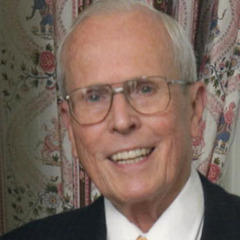
“Well, at the time, we certainly regarded them [Elianor and Franklin Roosevelt] as partners. We did not know what has since come out about the difficulties of their marital life, or the problems that Franklin gave Eleanor and his mother gave Eleanor, in many respects. We didn't know much about that.” KnowsWellsProblemMotherDifficultyPartnersFranklinEleanor Author:William A. Rusher
“They seemed like a team. And I think it is fair to say that Roosevelt was the consummate politician and that Eleanor was the socially conscious activist. It gave them a nice combination of yang and yin, which they took advantage of. And I think it worked very well for them politically.” ThinkingWellsNiceTeamPoliticianConsciousAdvantageFairsCombinationActivistEleanorYang Author:William A. Rusher
“I think she [Eleanor Roosevelt] was a shrewd politician, and very good in public relations, although she had the usual media help in this. As a Republican and a conservative, I can say ruefully that the Democrats and the liberals tend to get it; that when she said something, it was put in a nice way and highlighted properly by the appropriate media, so that it sounded good.” ThinkingWaySaidI CanHelpingNiceMediaPoliticianRepublicanRelationDemocratVery GoodConservativeAppropriateUsualPublic RelationsEleanor Author:William A. Rusher
“And if something came along that didn't sound so good, it perhaps didn't always get out there as it should have. But given the fact that she [Eleanor Roosevelt] had the help, nonetheless she knew how to use it. And she used it very effectively.” IfsShouldFactsHelpingUseUsedGivenSoundShould HaveEleanor Author:William A. Rusher
“I think that it is true that Eleanor Roosevelt, by being so active on that front, contributed to that impression very substantially. And it's to her credit that she was interested in this, let me say. But once again, I'm not sure the extent to which Roosevelt - I guess he did use her really, particularly on the civil rights front. No question about it, because she was well identified out there, and brought a good many blacks into the Administration, into the White House, into his presence and so on.” ThinkingWellsUseHouseWhiteRightsFrontsLet MeCreditActiveImpressionCivil RightsAdministrationNot SureGood ManWhite HouseEleanor Author:William A. Rusher
“Well, I didn't read My Day by Eleanor Roosevelt very carefully. I was away during a lot of that, in the war and so on. She was not all that good a writer. She was a little bit on the banal side, and you know, what happened, and then this happened, and then that happened... But I will say this. She got very well paid for it.” KnowsWellsLittlesWarBitsSidesHappenedLittle BitPaidEleanor Author:William A. Rusher
“These were in the days before anybody thought to criticize Congressmen, let alone first ladies, for making money on speeches. So Eleanor raked in quite a bit of cash that she may have put, for all I know, to good uses, or maybe not. I just don't know. But I don't think she was any great literary breakthrough.” ThinkingKnowsFirstsMayUseBitsSpeechMaking MoneyCriticizeCashBreakthroughCongressmanFirst LadyEleanorGreat Literary Author:William A. Rusher
“That was a general impression that one got, that she [Eleanor Roosevelt] was always flitting around the country and descending on some place in the Ozarks that she decided was disadvantaged, and announcing that something had to be done. And she had a very active social conscience, which I think in general is to her credit, although it tended, as many people thought, to just be overdone to the point where it gave rise to this crack that she regarded the whole world as one vast slum project” PeopleThinkingWorldCountryDoneWholeSocialProjectsConscienceDecidedCreditActiveImpressionWhole WorldCracksSlumsEleanorDescendingAnnouncingDisadvantagedOzarks Author:William A. Rusher
“One has to say that they [Eleanor and Franklin Roosevelt] were pioneering to some extent. They didn't know that some of the housing projects that they were putting up for the poor were going to turn into crack dens and rapists' bowers and things of that sort, which they have since become. But you can't always foresee the future. I'm sure their intentions were the best.” KnowsTurnsPoorProjectsIntentionCracksHousingFranklinEleanorDensPioneering Author:William A. Rusher
“Eleanor Roosevelt had both her admirers and her detractors. And they admired her and detracted from her for many of the same reasons. People who liked her social activism, who thought that she was calling attention to problems that needed solving, were all for her.” PeopleReasonProblemSocialAttentionNeededCallingActivismEleanorAdmirerSocial Activism Author:William A. Rusher
“People who thought that she was busy going around trying to stir up difficulty where there was none or less than she imagined, were quite critical of her. She was, we must never forget, a public figure. And in democracies, public figures tend to attract criticism as well as praise. The most dangerous thing would be if anybody were regarded as above criticism. And Eleanor Roosevelt is, in recent years, getting there.” PeopleIfsTryingYearsWellsWould BeForgetDemocracyDangerousFiguresCriticismDifficultyPraiseBusyCriticalNever ForgetDangerous ThingsEleanorPublic Figures Author:William A. Rusher
“I think the fact that she [Eleanor Roosevelt] was a woman probably in those days would have been an additional criticism, although first ladies by definition in those days were women. There's always been a problem and still is, about the role the first lady should play, of course. Everybody's seen it in Jackie Kennedy and Nancy Reagan and, heaven knows, Hillary Clinton. So the problem has not been solved.” ThinkingKnowsShouldFirstsHas BeensStillsPlayFactsProblemCoursesHeavenRolesCriticismClintonDefinitionsFirst LadyJackieNancyEleanor Author:William A. Rusher
“I think she [Eleanor Roosevelt] never was called because she probably didn't know an awful lot. The whole burden of the criticism of her on the subject of Communism is naiveté, not participation. And again, being a public figure and our representative at the UN, there was nothing Communist about her, certainly.” ThinkingKnowsWholeSubjectsFiguresCriticismBurdenAwfulCommunismCommunistRepresentativesParticipationEleanorPublic Figures Author:William A. Rusher
“And Eleanor's husband was the man who did the interning. And I think they - Governor Warren, who was later to become such an impassioned Chief Justice on all sorts of human rights issues, was very big in the internment process. And I think that we simply sometimes tend not to understand or remember how people felt.” PeopleThinkingMenHumansSometimesBigsRememberFeltProcessJusticeIssuesRightsHe ManHusbandHuman RightsChiefsGovernorsEleanorImpassionedChief JusticeInternment Author:William A. Rusher
“These people looked Japanese, were originally Japanese, were numerous. We had no way of knowing to what extent they had been infiltrated. To their great credit, it seems not to have been very much at all. But I can understand why. And I rather respect Eleanor for standing out against the tide at that point. But it certainly was a tide. And I'm not going to say it was unjustified.” PeopleWayHas BeensI CanSeemsKnowingStandingCreditTidesStanding OutEleanorUnjustified Author:William A. Rusher