“My life is very monotonous," the fox said. "I hunt chickens; men hunt me. All the chickens are just alike, and all the men are just alike. And, in consequence, I am a little bored.”
Book:The Little Prince:
“My life is very monotonous," the fox said. "I hunt chickens; men hunt me. All the chickens are just alike, and all the men are just alike. And, in consequence, I am a little bored.”
This classic novella explores themes of love, loss, and the search for meaning through the eyes of a young prince who embarks on a journey across the cosmos. The prince meets a cast of eccentric characters, each representing different aspects of human nature, and ultimately finds wisdom in the simplicity of life. more
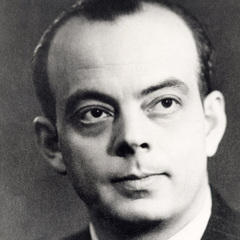
Antoine de Saint-Exupery was a French writer, poet, and aviator, renowned for his novella 'The Little Prince,' which has been translated into over 300 languages and remains one of the most beloved books worldwide. During World War II, he served as a pilot in the French Air Force, and his mysterious disappearance over the Mediterranean Sea in 1944 remains unsolved. more
“It takes a year, nephew... a full turn of the calendar, to get over losing someone.”