“A little labour, much health.”
Quote by George Herbert
Work
The Complete Works of George Herbert: And The Satires and Psalms of Bishop Hall
The Complete Works of George Herbert features poems and prose from the 17th-century English poet, known for his religious and devotional themes. It is accompanied by Bishop Hall's satires and psalms, which offer a contrasting view on religious and social issues of the time. more
Author
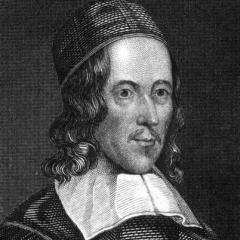
George Herbert
George Herbert, a renowned English poet, was born on April 3, 1593, and died on March 1, 1633. Known for his religious poetry, Herbert's works blend personal faith with profound philosophy, exerting a profound influence on poetry in the postmodern era. more
You May Also Like
“A long tongue is a signe of a short hand. [A long tongue is a sign of a short hand.]”
Source: The Complete Works of George Herbert: Prose
“A Lyons skin is never cheape.”
Source: The Complete Works of George Herbert: Prose
“A man is known to be mortal by two things, Sleep and Lust.”
Source: The Works of George Herbert, in Prose and Verse: Edited by the Rev. Robert Aris Willmott, Incumbent of Bear Wood. With Illustrations
Source: The Works of Laurence Sterne: Complete in Eight Volumes
Source: The Works of Laurence Sterne, A. M.: A sentimental journey through France and Italy. The Koran: or, The life, character and sentiments of Tria Juncta in Uno. A political romance
Source: The Works of Laurence Sterne: With a Life of the Author
Source: The works of Laurence Sterne, with a life of the author, written by himself