“Be wise to-day; 't is madness to defer.”
Quote by Edward Young
Work
The Complete Works, Poetry and Prose of the Rev. Edward Young, LL.D.: Revised and Collated with the Earliest Editions. To which is Prefixed A Life of the Author
The Complete Works of Edward Young, a distinguished clergyman and scholar, is a comprehensive compilation of his poetry and prose. The book has been meticulously revised and compared with the earliest known editions of his works. Additionally, it opens with a biography that provides insight into the life and times of the author, Edward Young, LL.D. more
Author
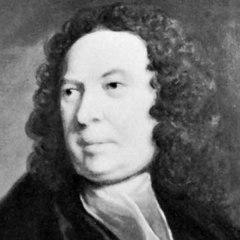
Edward Young
Edward Young, a renowned English poet, was born on July 3, 1683, and died on April 5, 1765. His poetry, characterized by profound philosophical insights and a unique style, has had a lasting impact on literature. more
You May Also Like
Source: An Address Delivered at the Completion of the Bunker Hill Monument, June 17, 1843
“I think of music as a menu. I can't eat the same thing every day.”
“To sit in the shade on a fine day and look upon verdure is the most perfect refreshment.”
Source: Mansfield Park
“And he that will this health deny, Down among the dead men let him lie.”
Source: American Beauty: The Shooting Script
“You have no idea what I'm talking about, I'm sure.”
Source: American Beauty: The Shooting Script