“Definitions, contrary to popular opinion, tell us nothing about things. They only describe people's linguistic habits; that is, they tell us what noises people make under what conditions.”
Book:LANGUAGE IN ACTION
“Definitions, contrary to popular opinion, tell us nothing about things. They only describe people's linguistic habits; that is, they tell us what noises people make under what conditions.”
This book delves into the dynamics of language in real-life contexts, examining how individuals communicate and interact through language. more
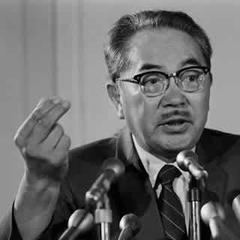
S. I. Hayakawa was a prominent figure in American politics, serving as a United States Senator from California. Born on July 18, 1906, and passing away on February 27, 1992, Hayakawa made significant contributions to the field of linguistics and education before entering politics. His career spanned various roles, including professor, author, and public servant. more
“English is the key to full participation in the opportunities of American life.”
“Bilingualism for the individual is fine, but not for a country.”
“Agreement is brought about by changing people's minds - other people's.”
“Conspicuous consumption of valuable goods is a means of reputability to the gentleman of leisure.”
“All business sagacity reduces itself in the last analysis to judicious use of sabotage.”