“I've been thinking about something for a long time, and I keep noticing that most human speech-if not all human speech-is made with the outgoing breath. This is the strange thing about presence and absence. When we breath in, our bodies are filled with nutrients and nourishment. Our blood is filled with oxygen, our skin gets flush; our bones get harder-they get compacted. Our muscles get toned and we feel very present when we're breathing in. The problem is, that when we're breathing in, we can't speak. So presence and silence have something to do with each other.”
Quote by Li-Young Lee
Author
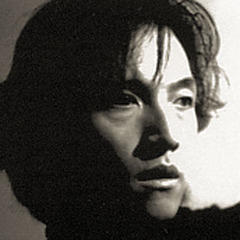
Li-Young Lee
Li-Young Lee is a celebrated Chinese-American poet whose works are characterized by their emotional depth and introspection. Born in August 19, 1957, Lee's poetry often delves into themes of identity, family, and cultural heritage, blending Chinese and American influences in a lyrical and emotionally resonant style. more
You May Also Like
“In terms of personal choices, let's all think more carefully about where we get our protein from.”
Source: In the Presence of Fear: Three Essays for a Changed World
“Pranayama teaches the aspirant to regulate his breathing and thereby control the mind.”
Source: Breathe, You Are Alive!